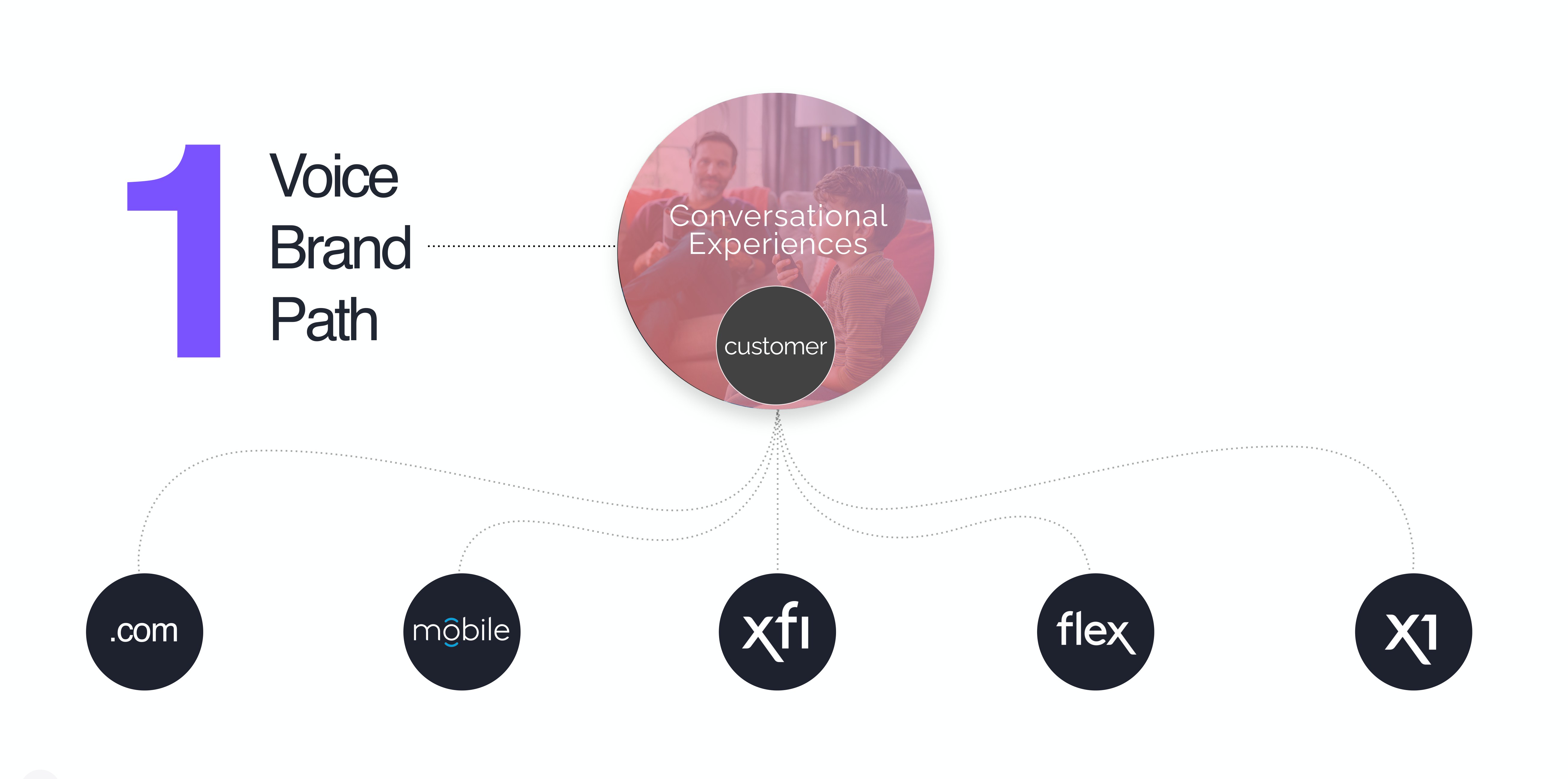
One Voice, one Brand Path. A single conversational layer sits between the customer and every surface, .com, mobile, xFi, Flex, and X1, so the relationship travels with them.
The brand strategy, persona, and conversational design system behind an AI experience customers actually came to trust.
The Xfinity Assistant across its 1.0, 2.0, and 3.0 releases, always speaking in the first person. The full story follows.
Falling in love with a brand people loved to hate.
When I joined Comcast NBCUniversal, it was one of the most disliked brands in the country. Support was siloed, roadmaps were disjointed, and customers met a different experience on every surface. I built Comcast’s first Customer Experience Design team and set out to turn Xfinity Assistant from a static FAQ tool into a single, conversational relationship that could scale across the entire ecosystem.
The scale of the problem was in the data. Comcast had shipped 11 apps and 200+ features, yet 67% of the customer base engaged with none of them. Support was fragmented, and the contacts told the story: 55% were service questions and complaints, 23% product and service status, the rest split across entertainment and billing.
With confidence, in every place and on every device across their world.
Safeguard the people and places they care about most.
Control and customize their service as their needs evolve.
Recognized for their loyalty, and reminded of its value.
Make every interaction personal, contextual, and intelligent, part of one all-encompassing, holistic experience that welcomes every customer and gets them excited about their relationship with Xfinity.
Before the work, the org. I founded Comcast’s first Customer Experience Design practice and grew it from a handful of designers into a 15-person team of designers, researchers, and content strategists, matrixed across a 260+ person Experience Design organization. I earned buy-in and funding through executive roadshows, and I promoted designers into managers and senior managers, a leadership bench that outlasted any single project.
The CXD organization I built: Choreo at the core, 50+ people across 10+ teams over five years, with every workstream, from Xfinity Assistant to Multi-Product Activation, orbiting it inside a 260+ person Experience Design org.
CX Design headcount, from founding to a 15-person team, growing inside a 260+ person Experience Design organization.
To ship end to end, I ran a cross-functional matrix. Each workstream had team owners, one representative each from Design, Engineering, Product, and Program, who owned the experience together through the full SDLC. On Multi-Product Activation, that model scaled to six teams and thirty people over a year.
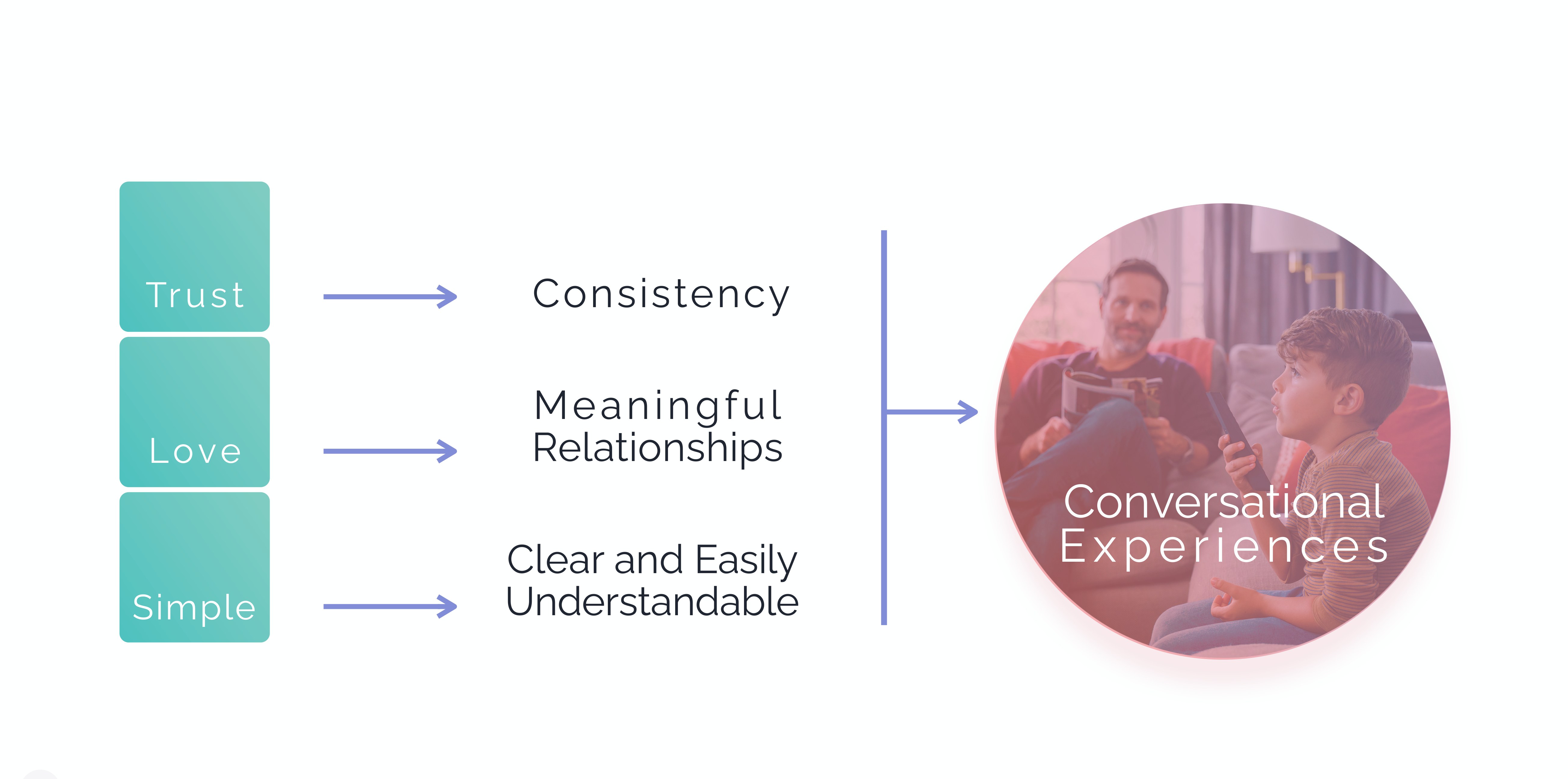
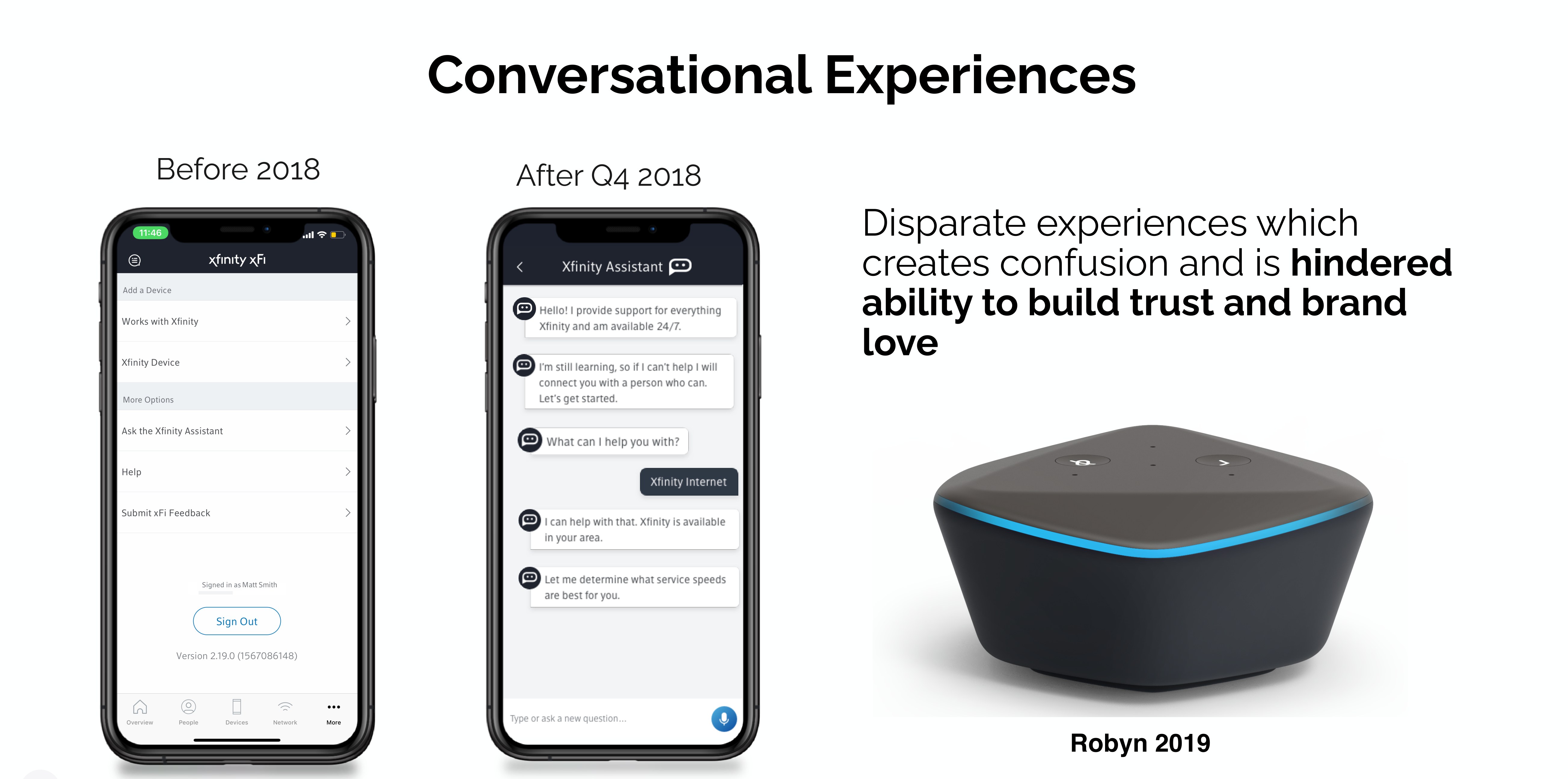
To get there, we had to earn three things at every touchpoint: consistency, meaningful relationships, and experiences that were clear and easily understandable. Conversation became the connective tissue, one voice that followed the customer across every product.
One Voice, one Brand Path. A single conversational layer sits between the customer and every surface, .com, mobile, xFi, Flex, and X1, so the relationship travels with them.
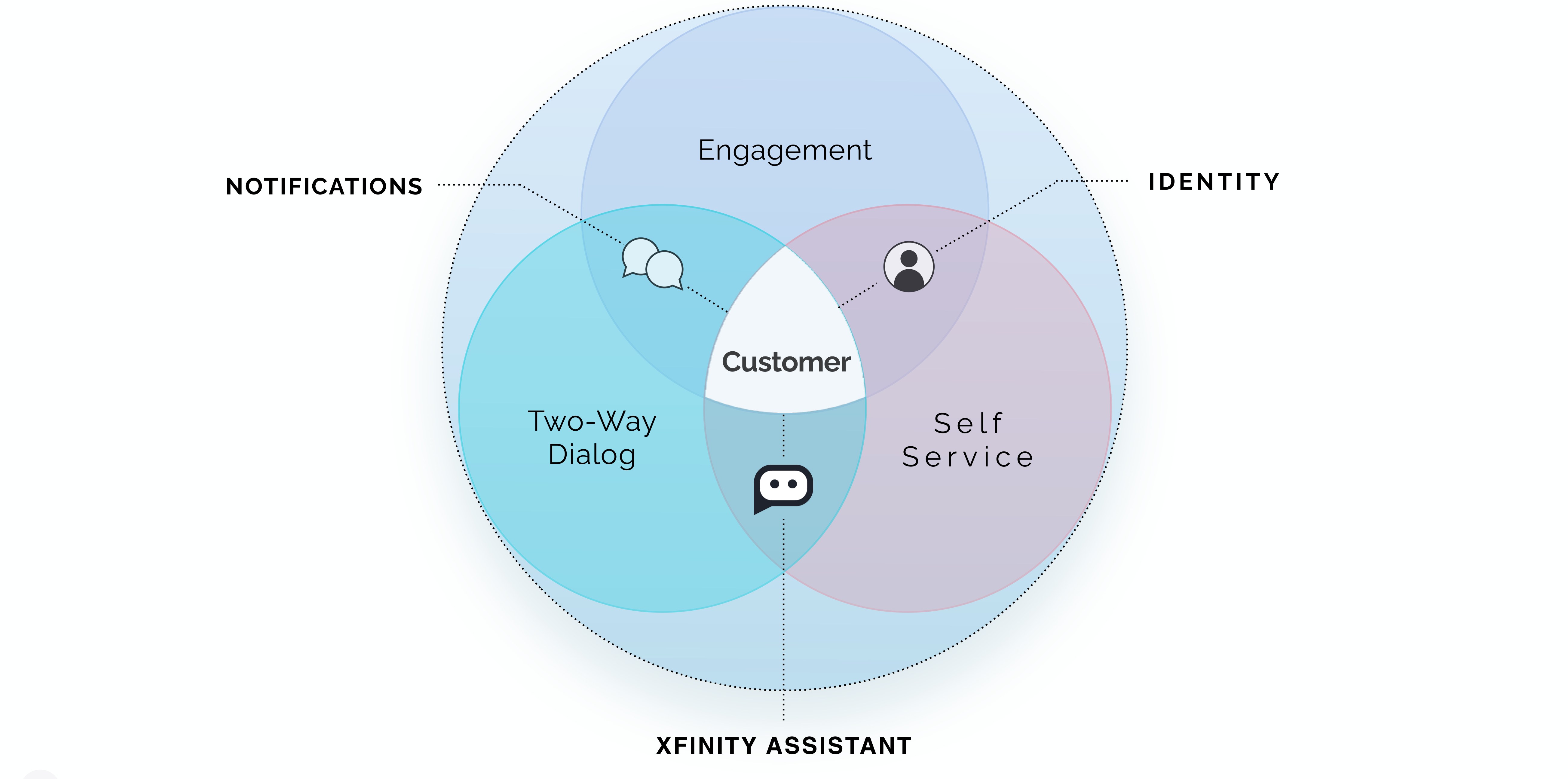
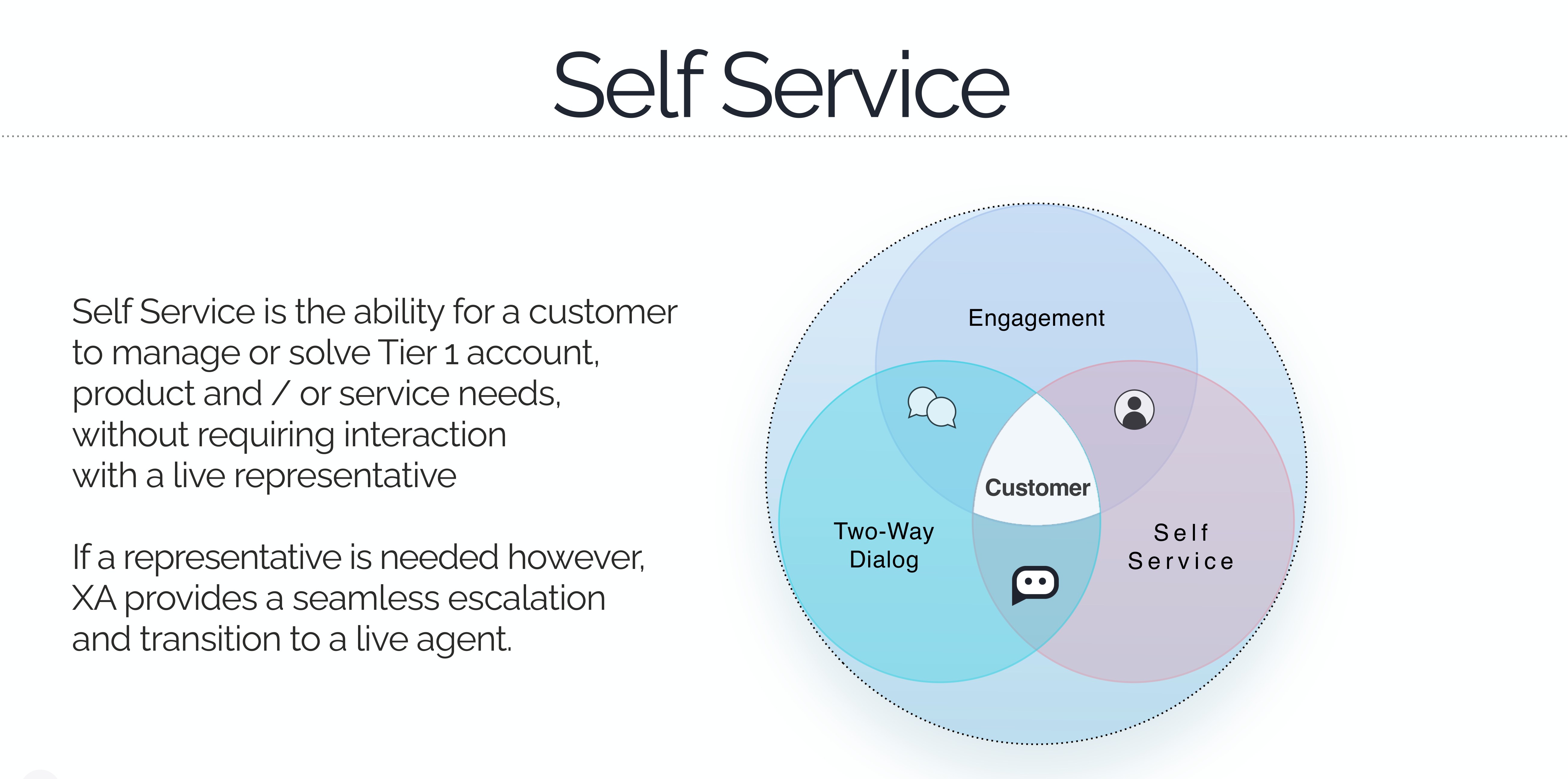
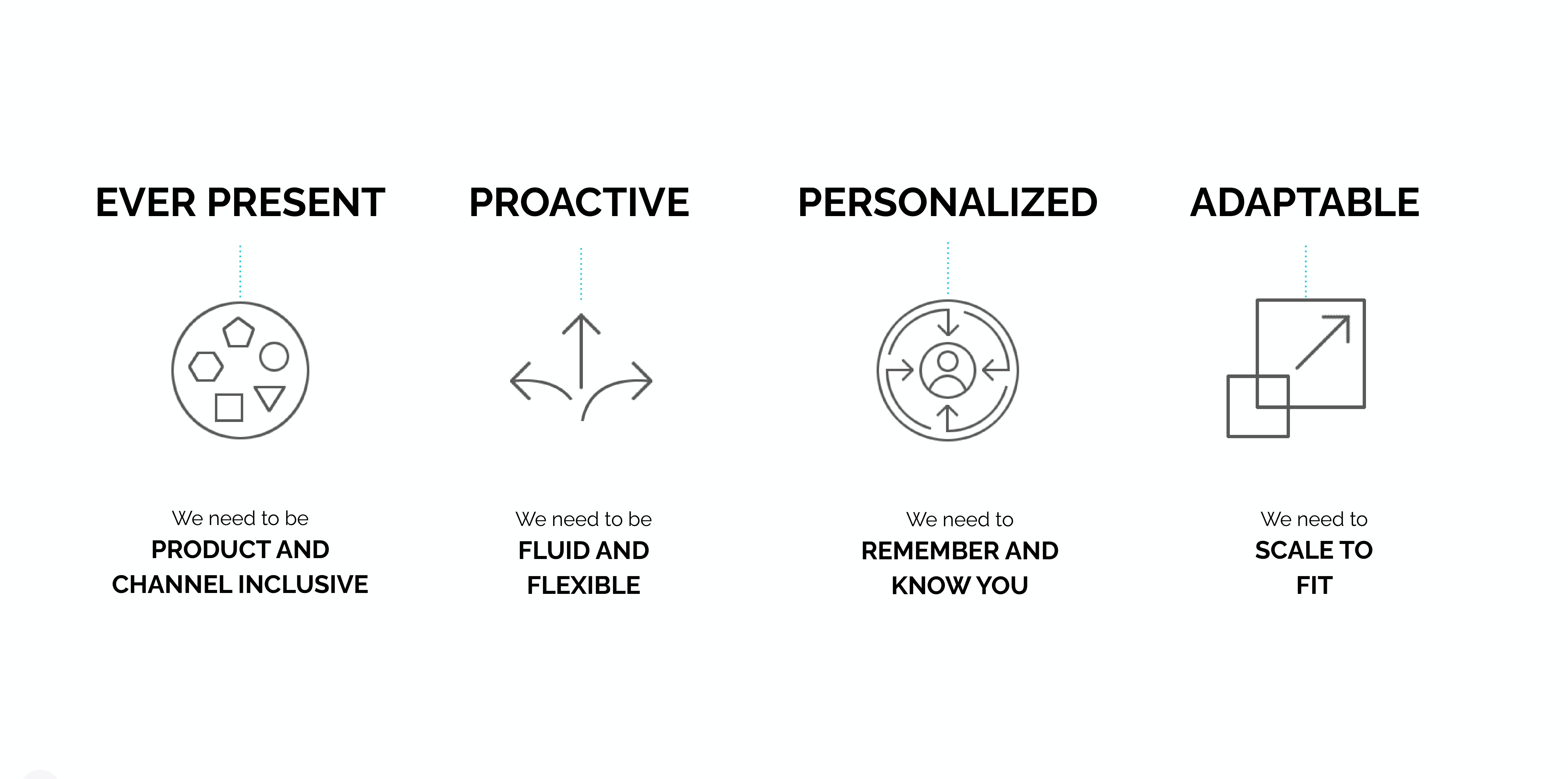
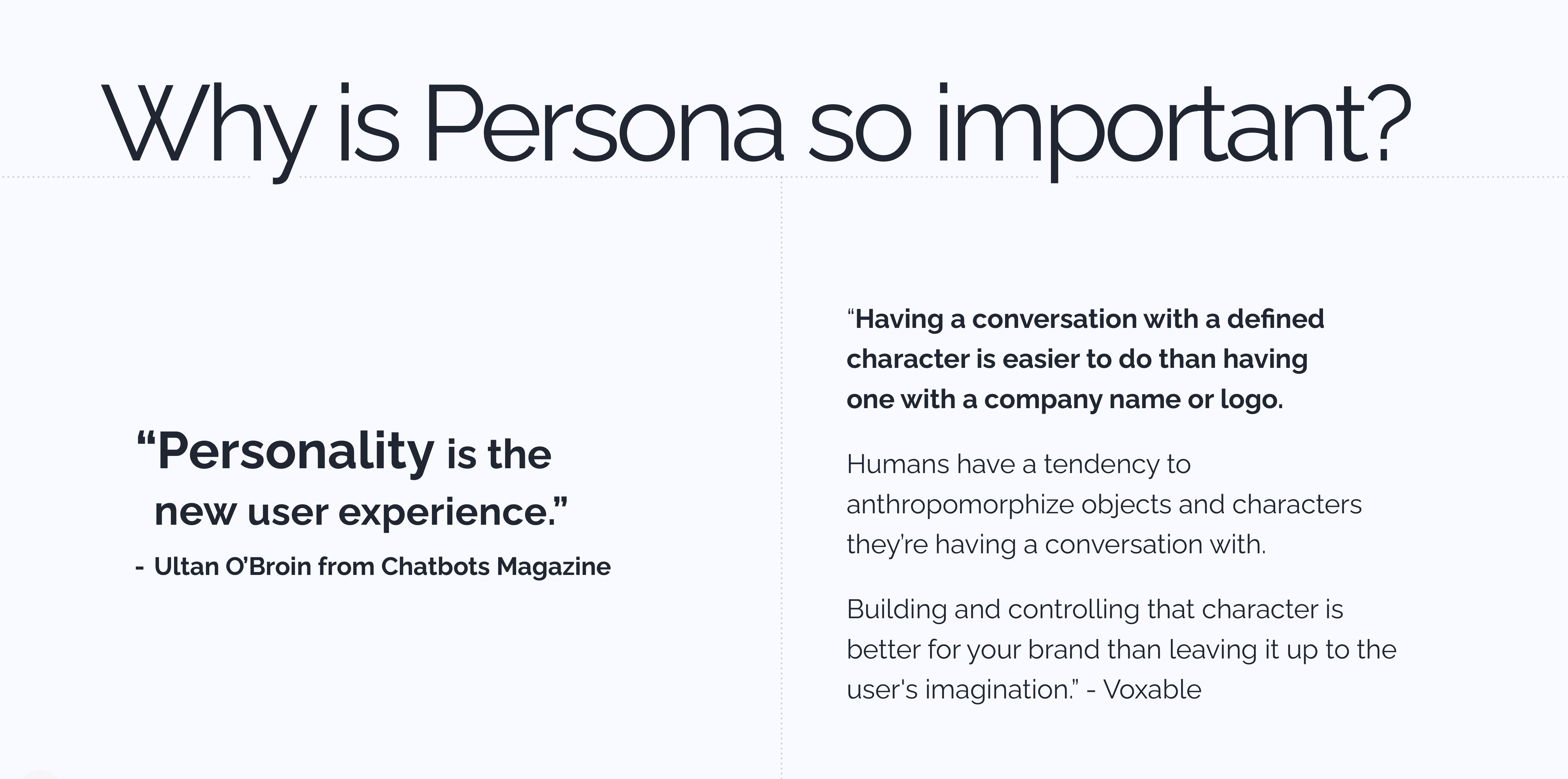
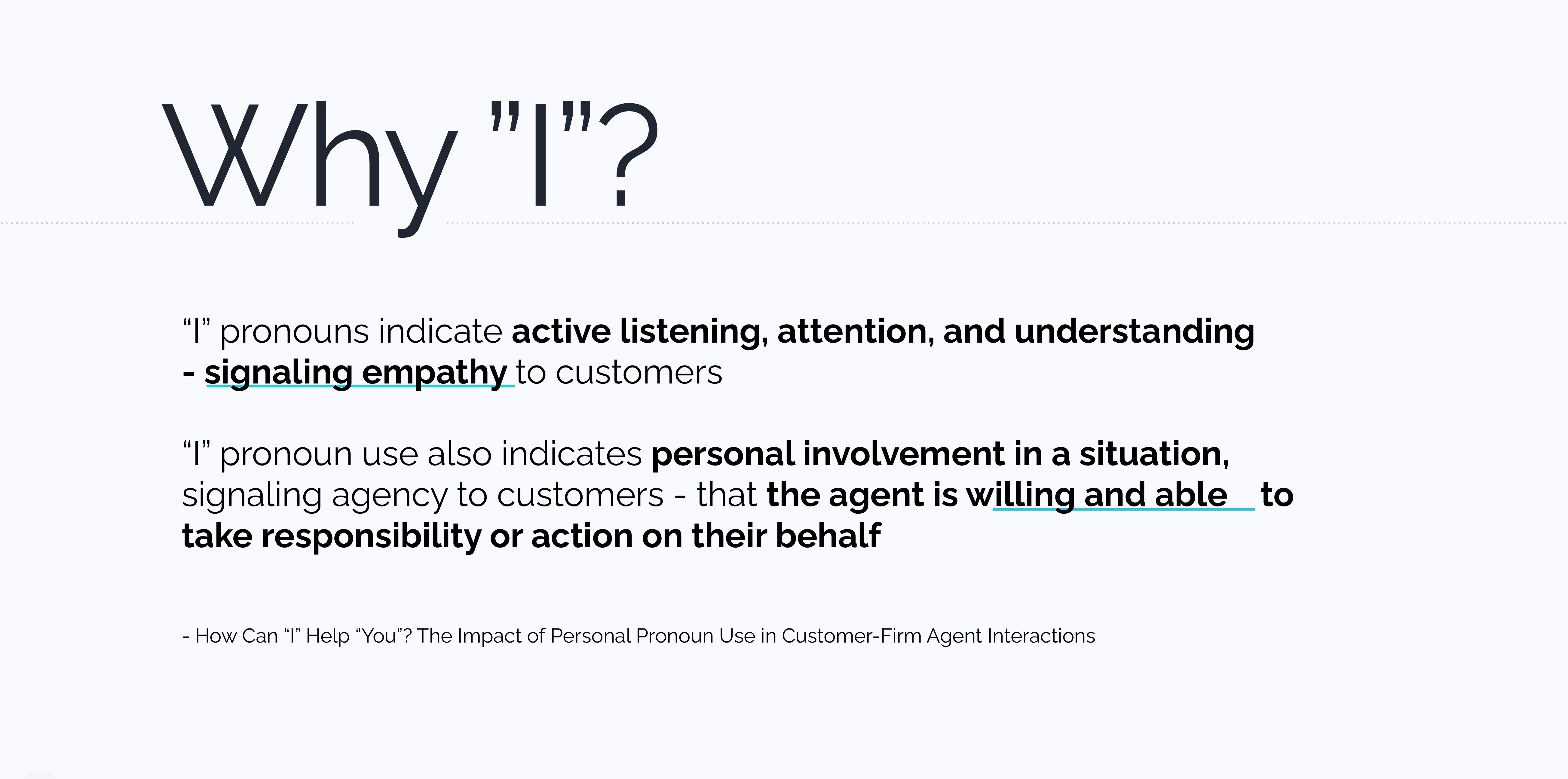
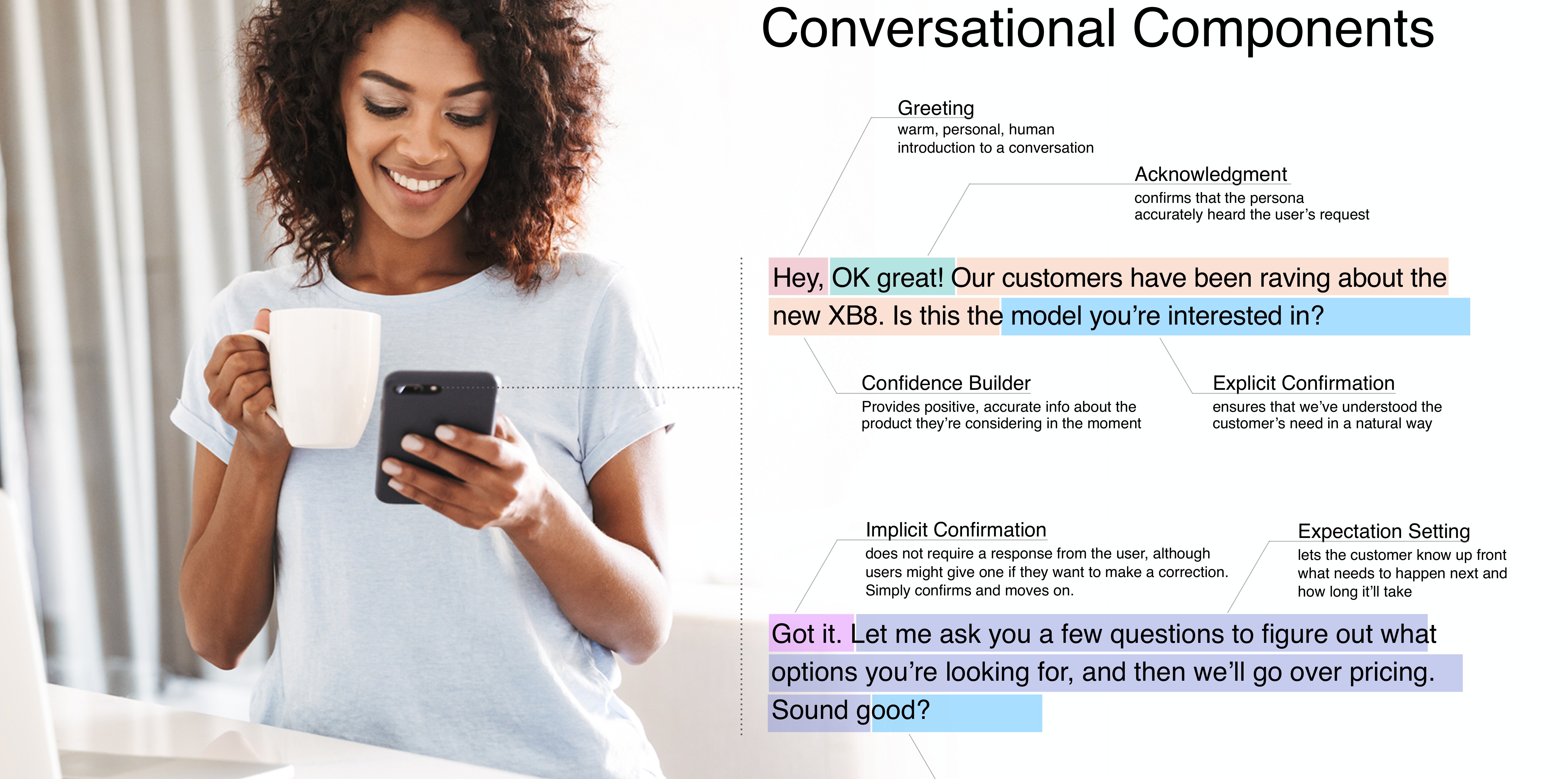
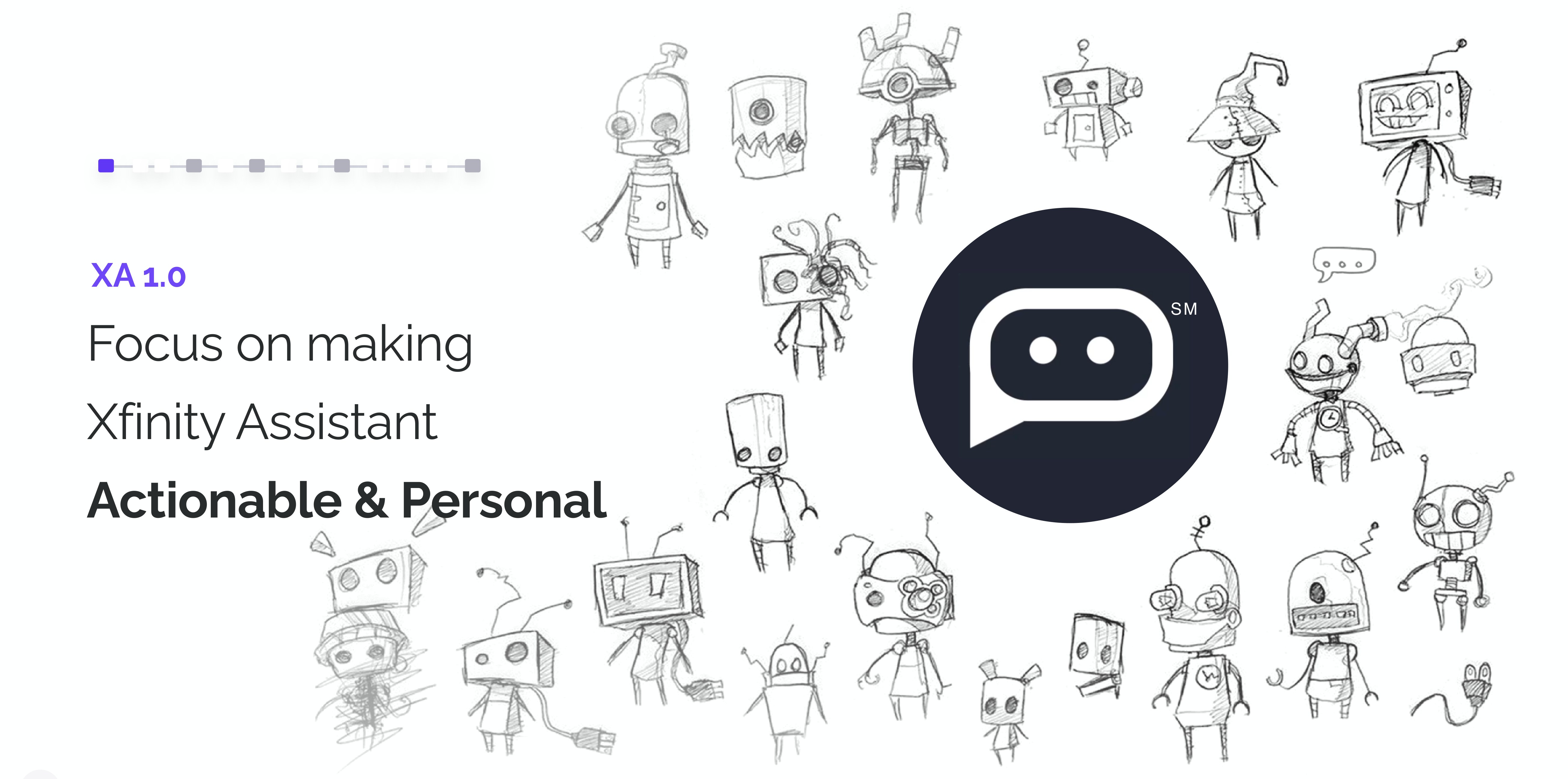
Humans anthropomorphize what they talk to. So we gave Xfinity Assistant a defined persona and taught it to speak in the first person, because “I” signals active listening, ownership, and a willingness to act on the customer’s behalf.
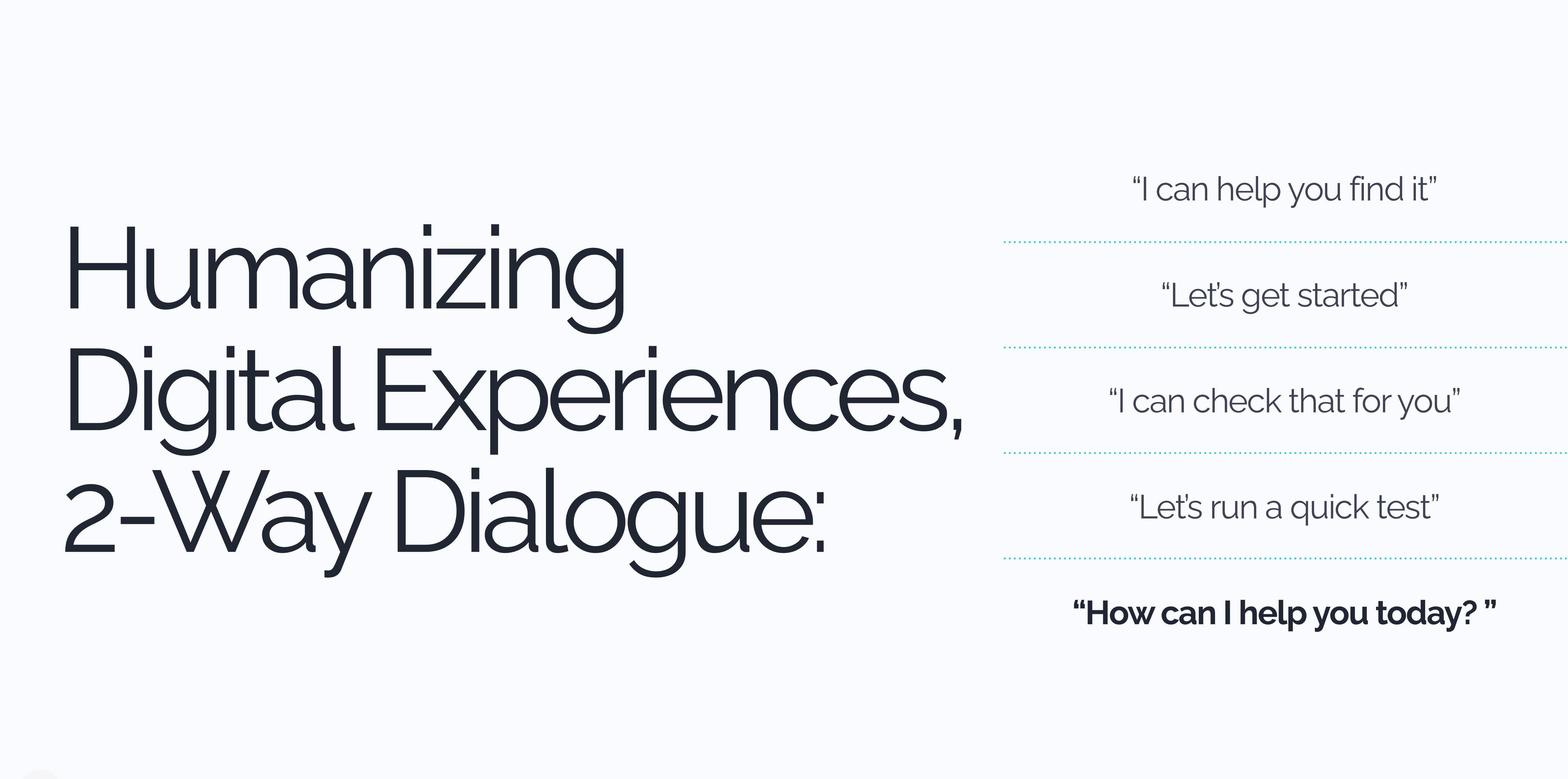
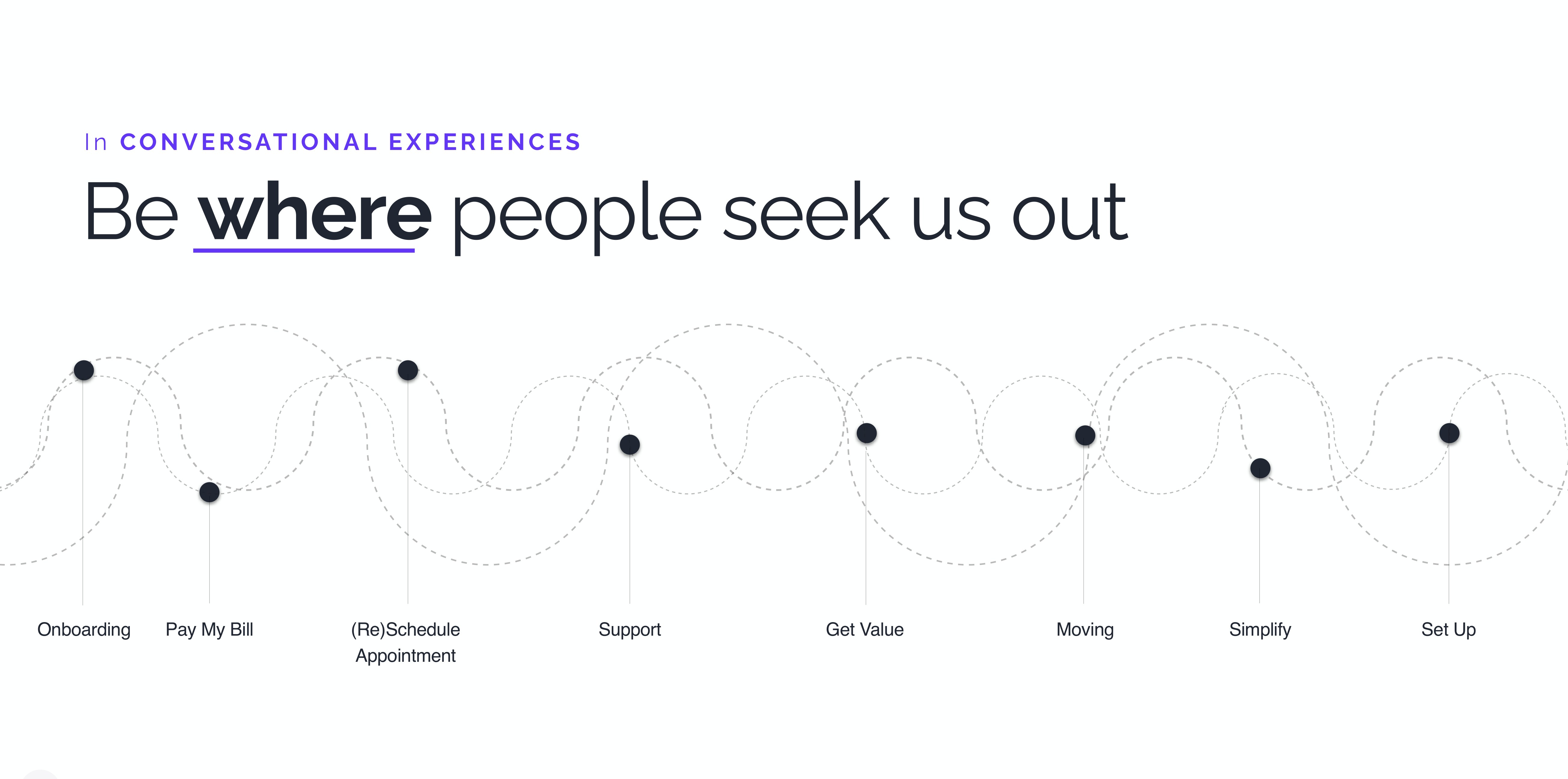
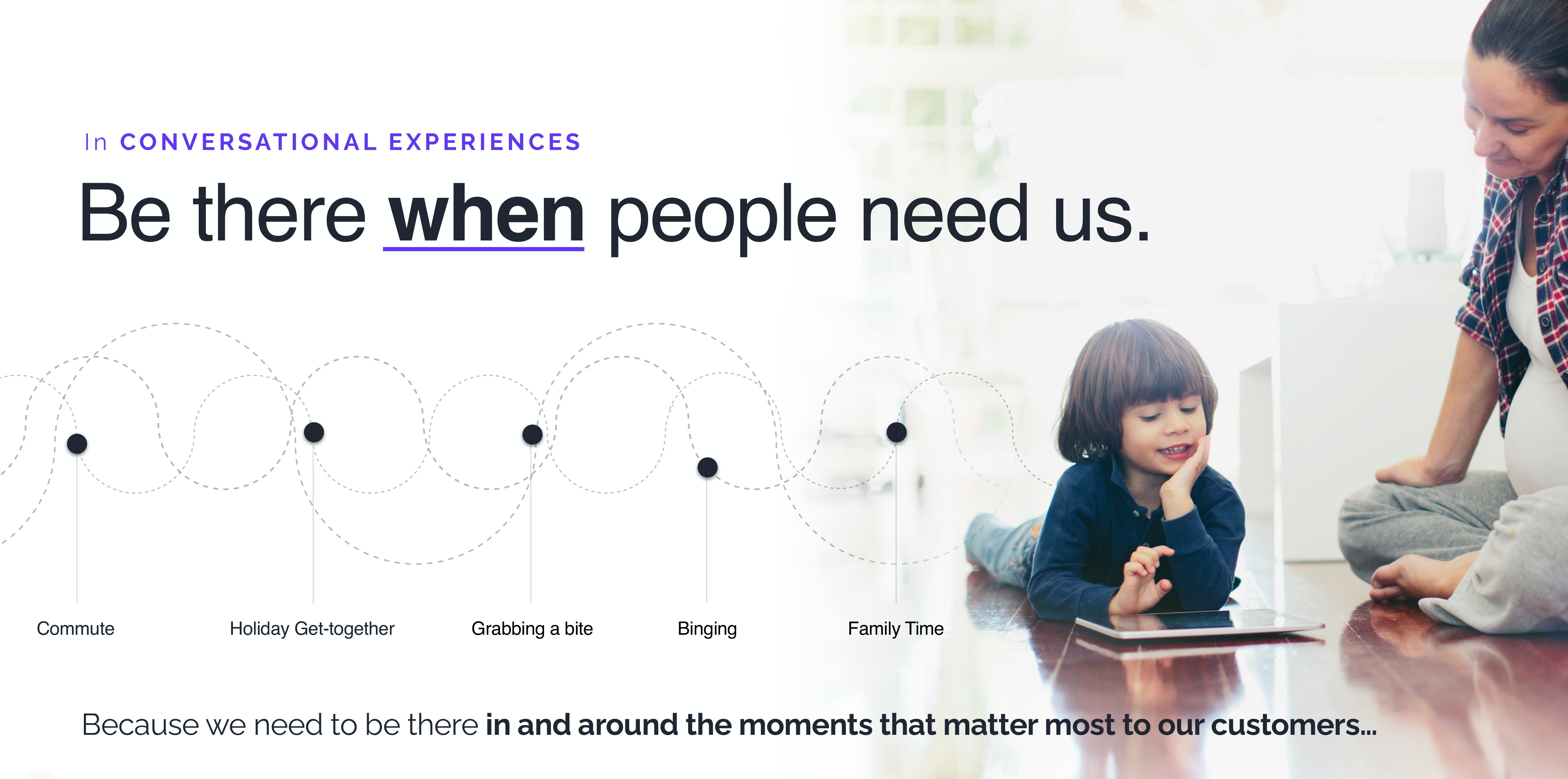
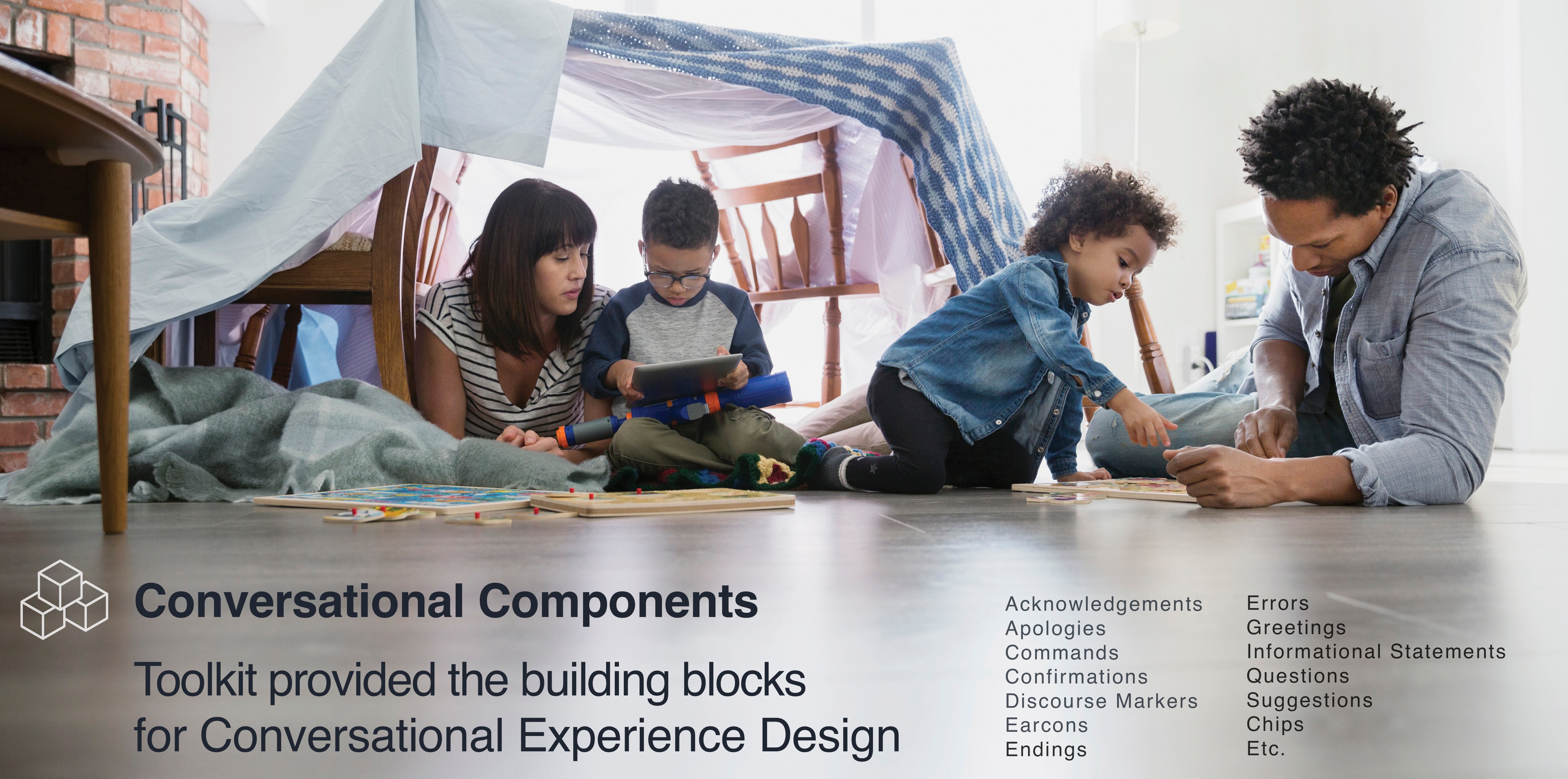
Meet people in the moments that matter. Holidays, the commute, family time on the floor, we designed XA to show up where and when customers actually reach for help.
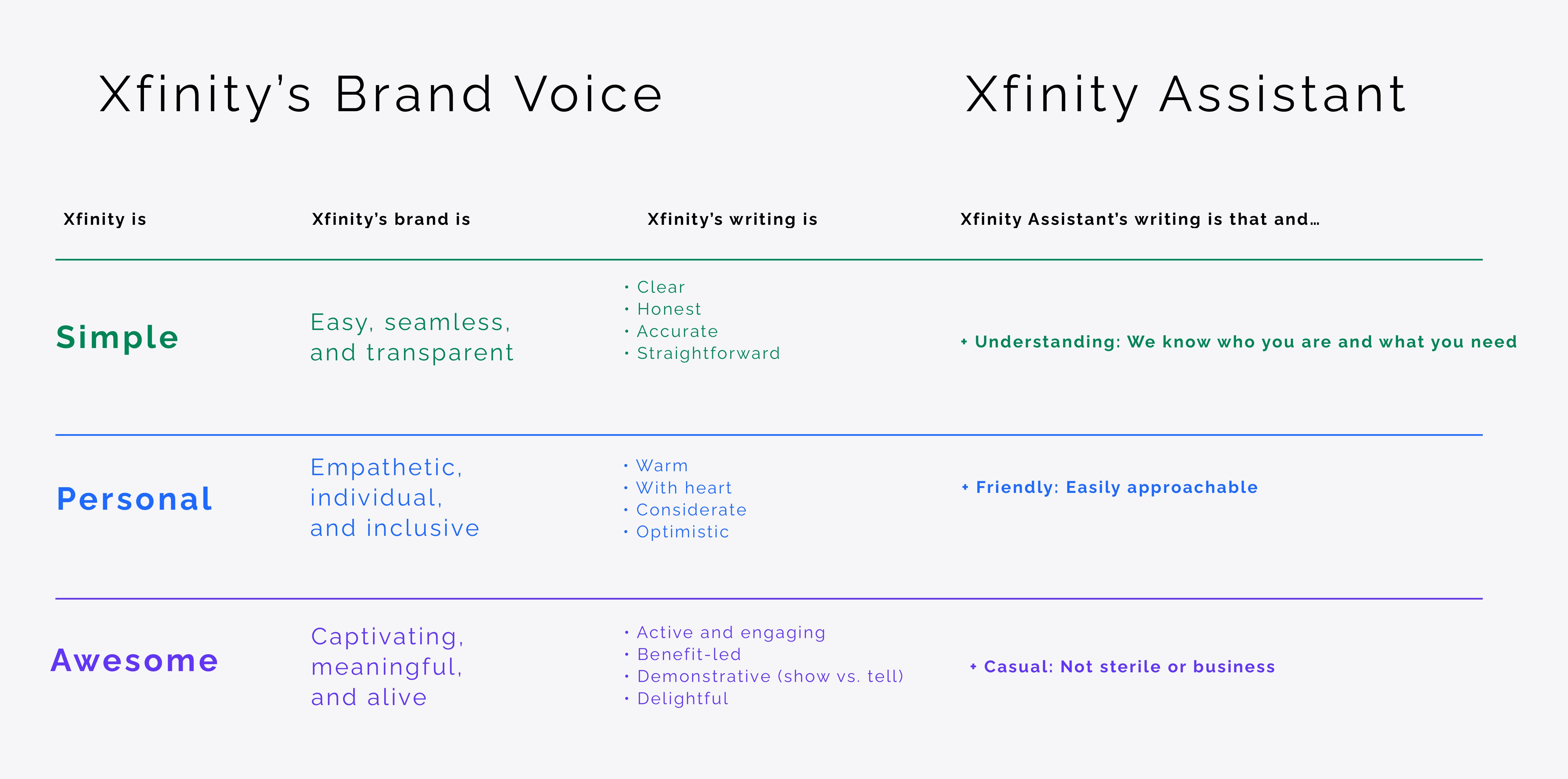
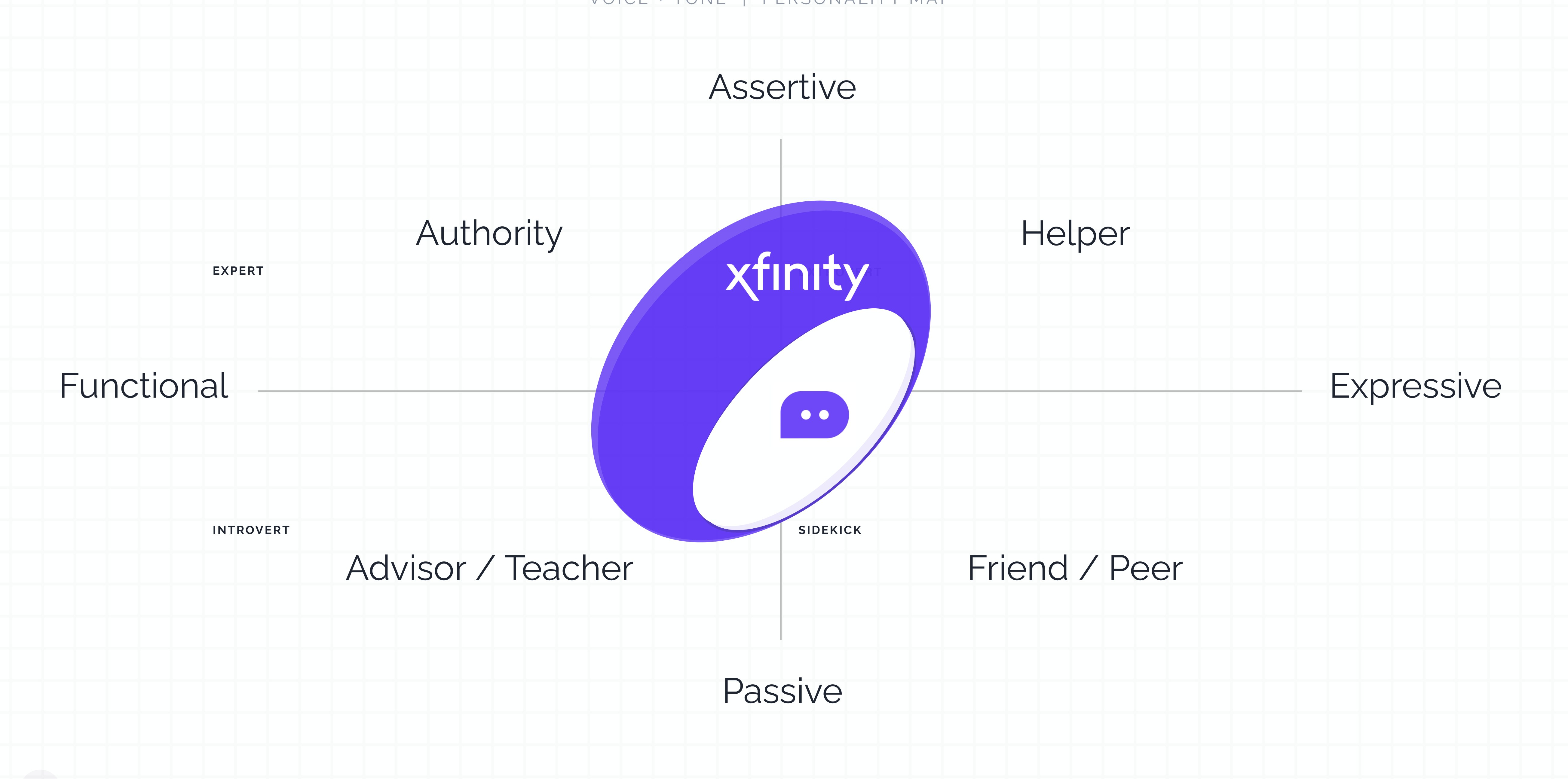
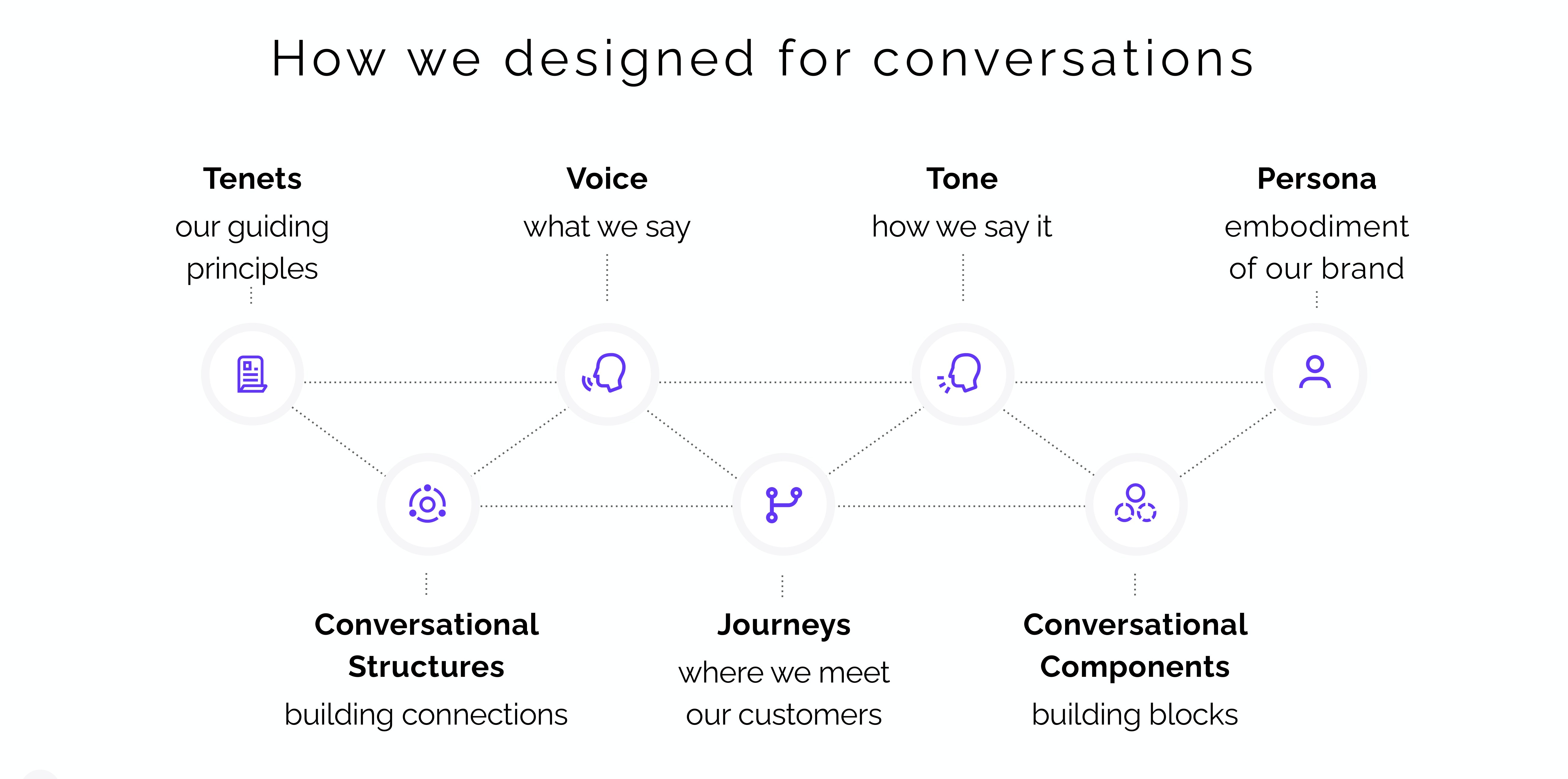
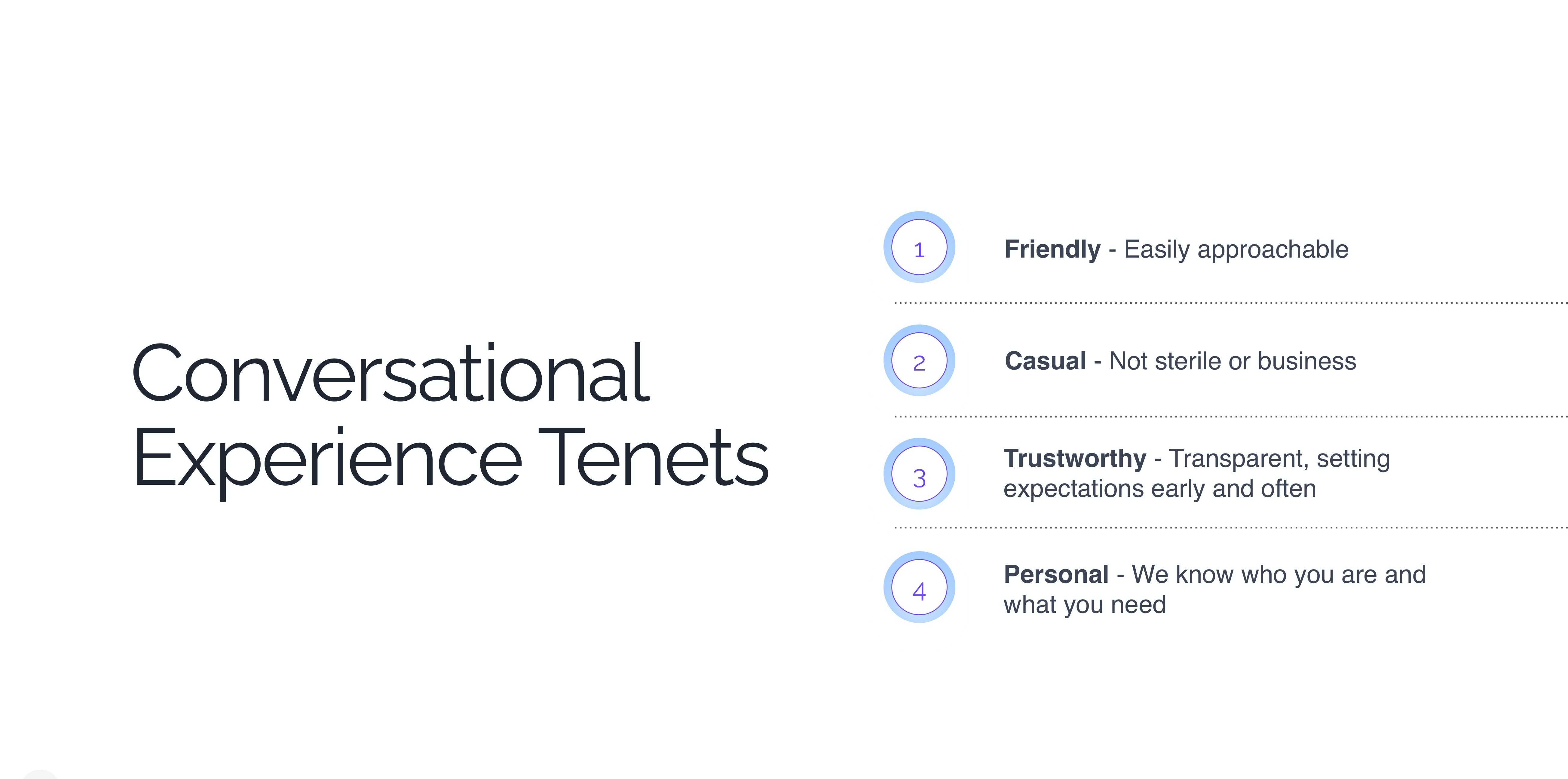
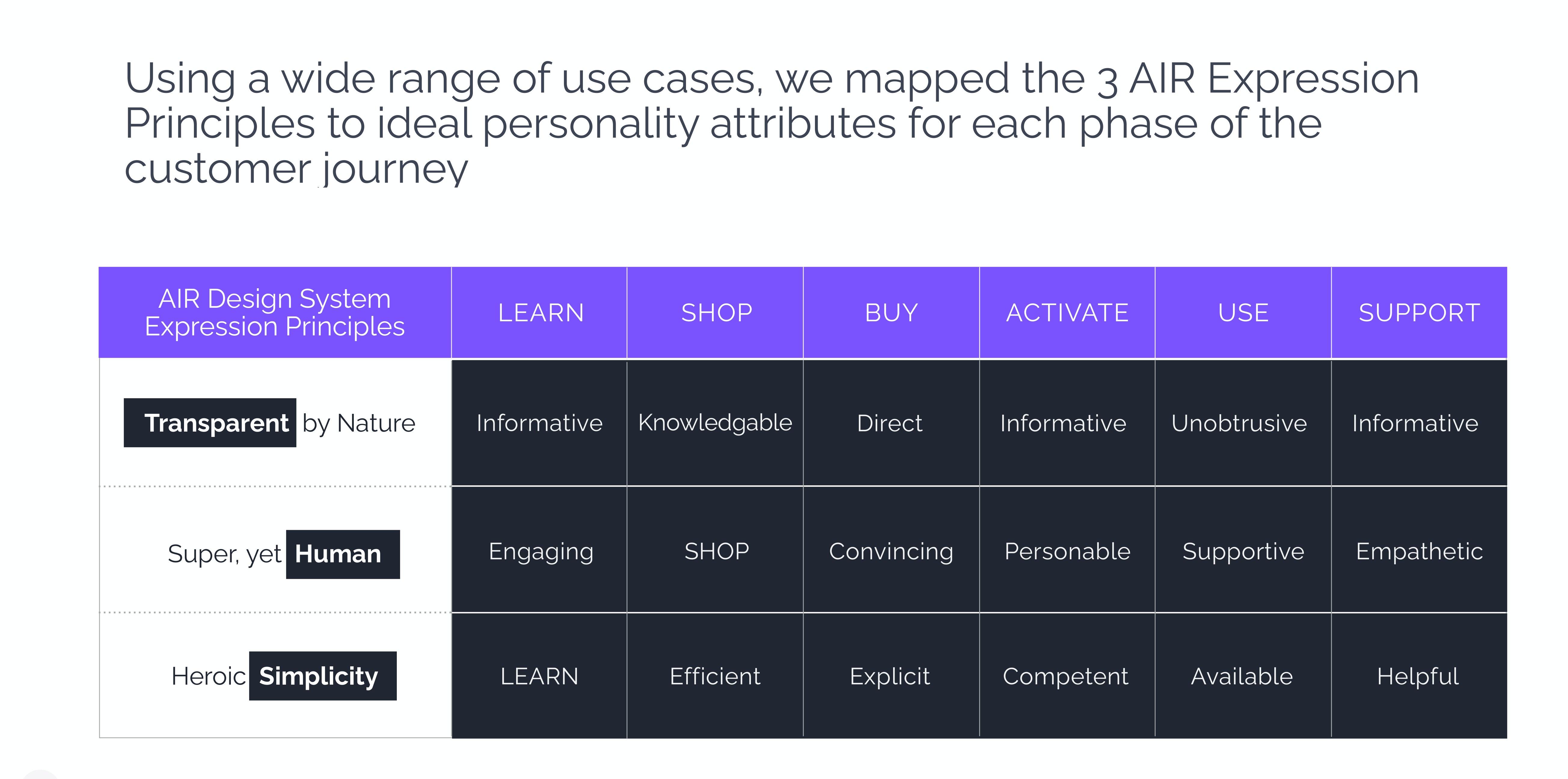
Xfinity’s brand is Simple, Personal, and Awesome. I translated that into a working system: a voice and tone personality map, a set of conversational tenets, and a components toolkit so dozens of designers and writers could compose on-brand conversations without reinventing them each time.
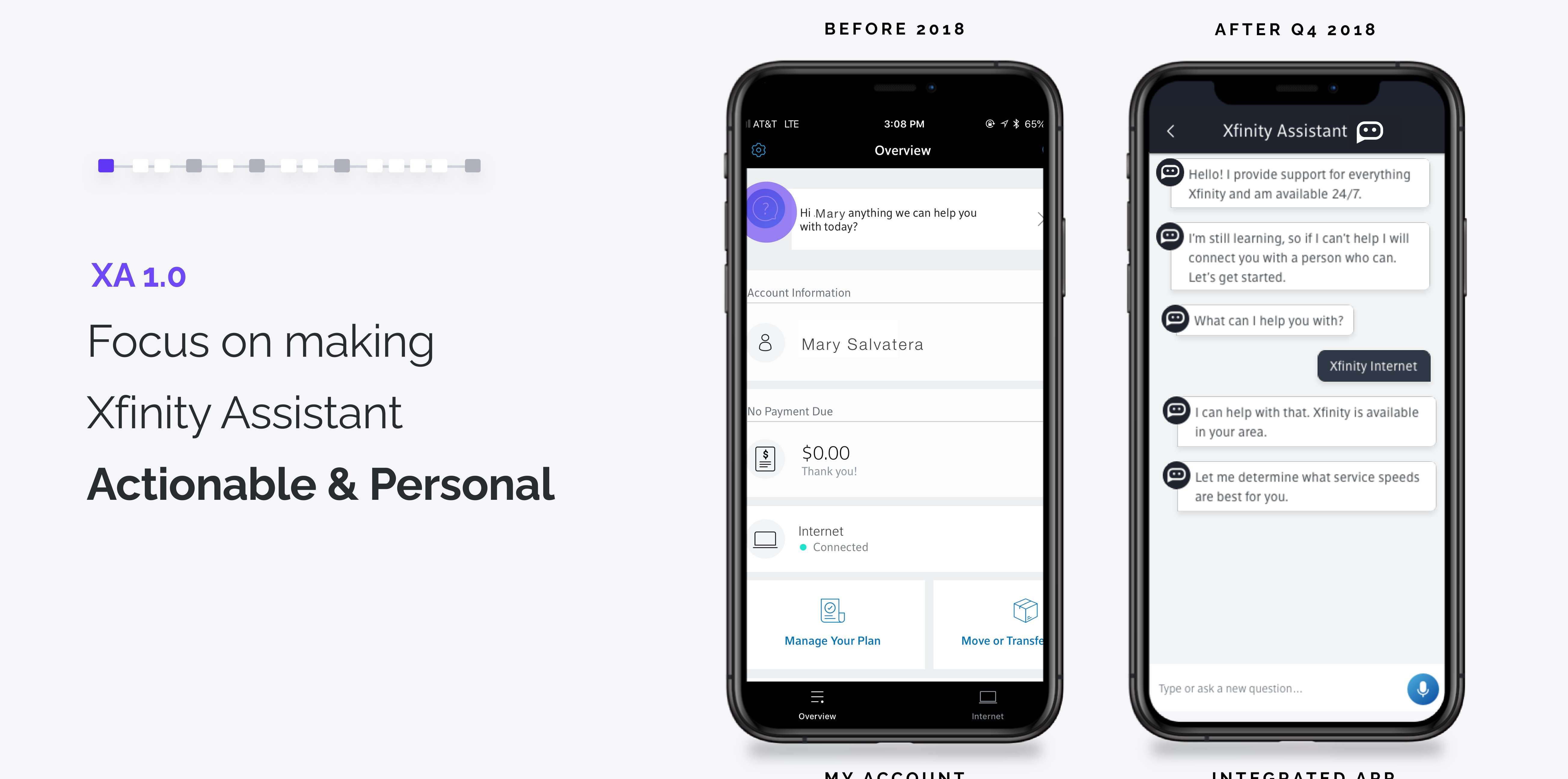
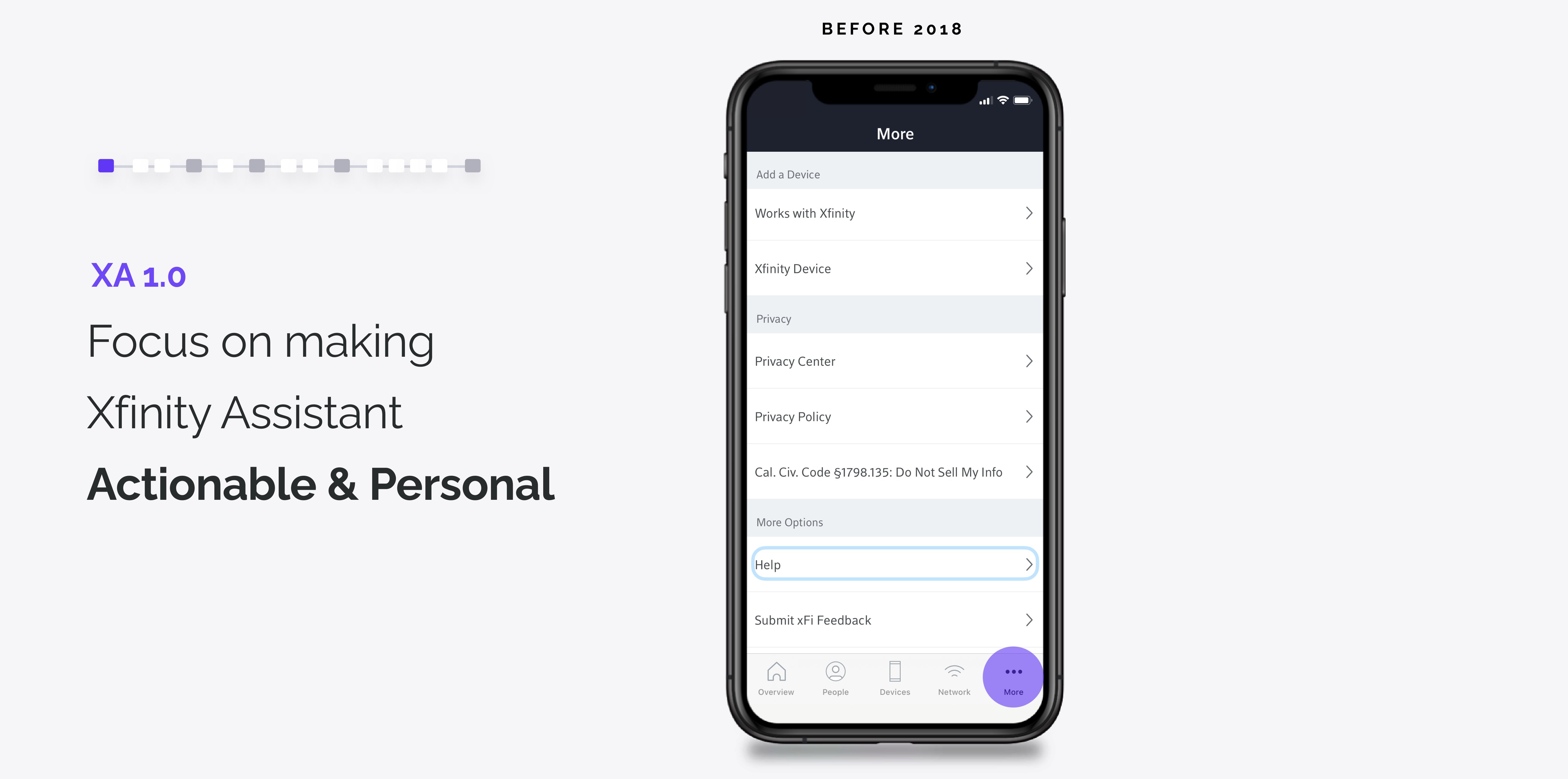
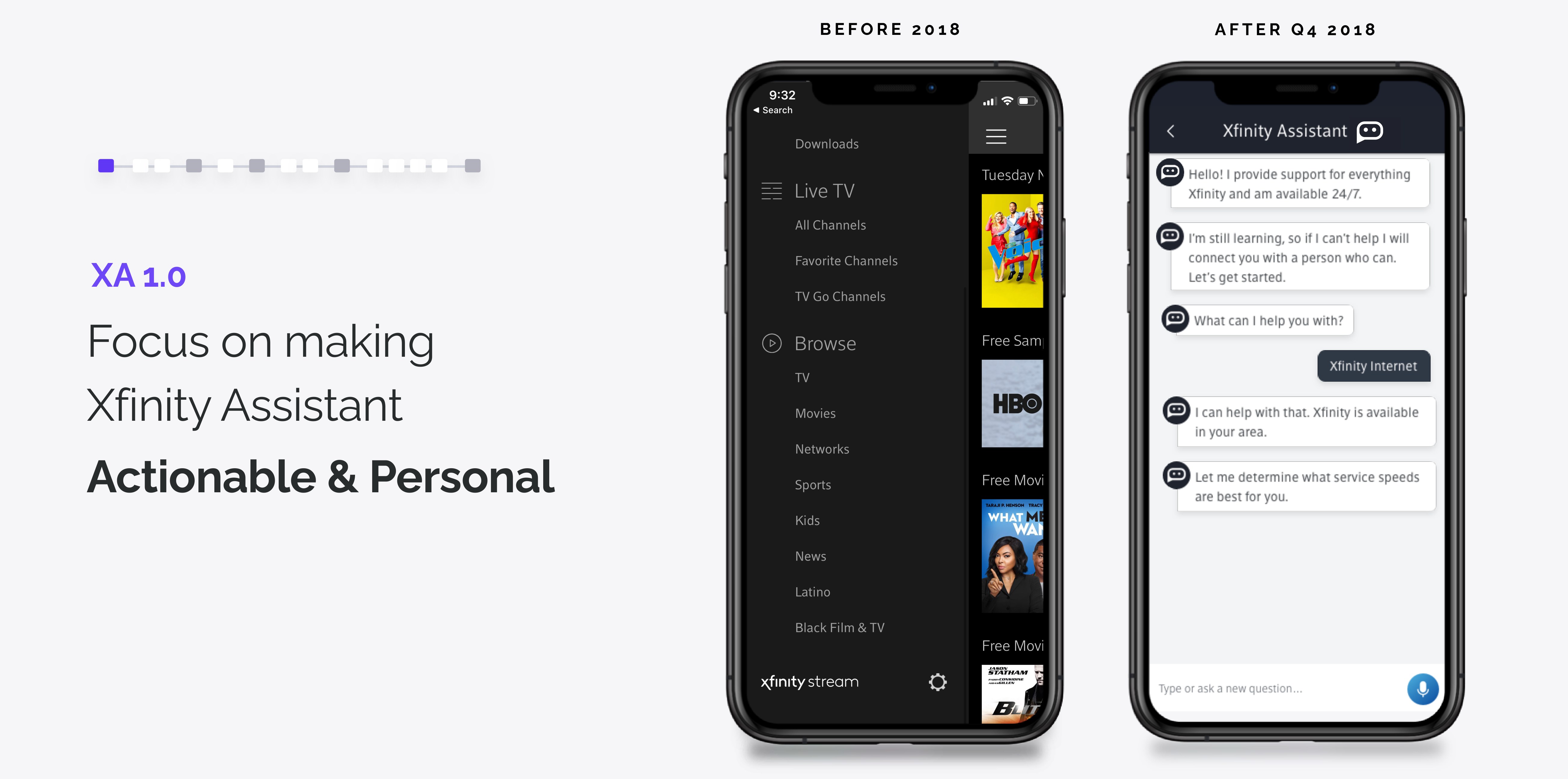
Pulled XA out of a buried FAQ and into My Account and the app, surfacing real actions: bills, appointments, and account tasks.
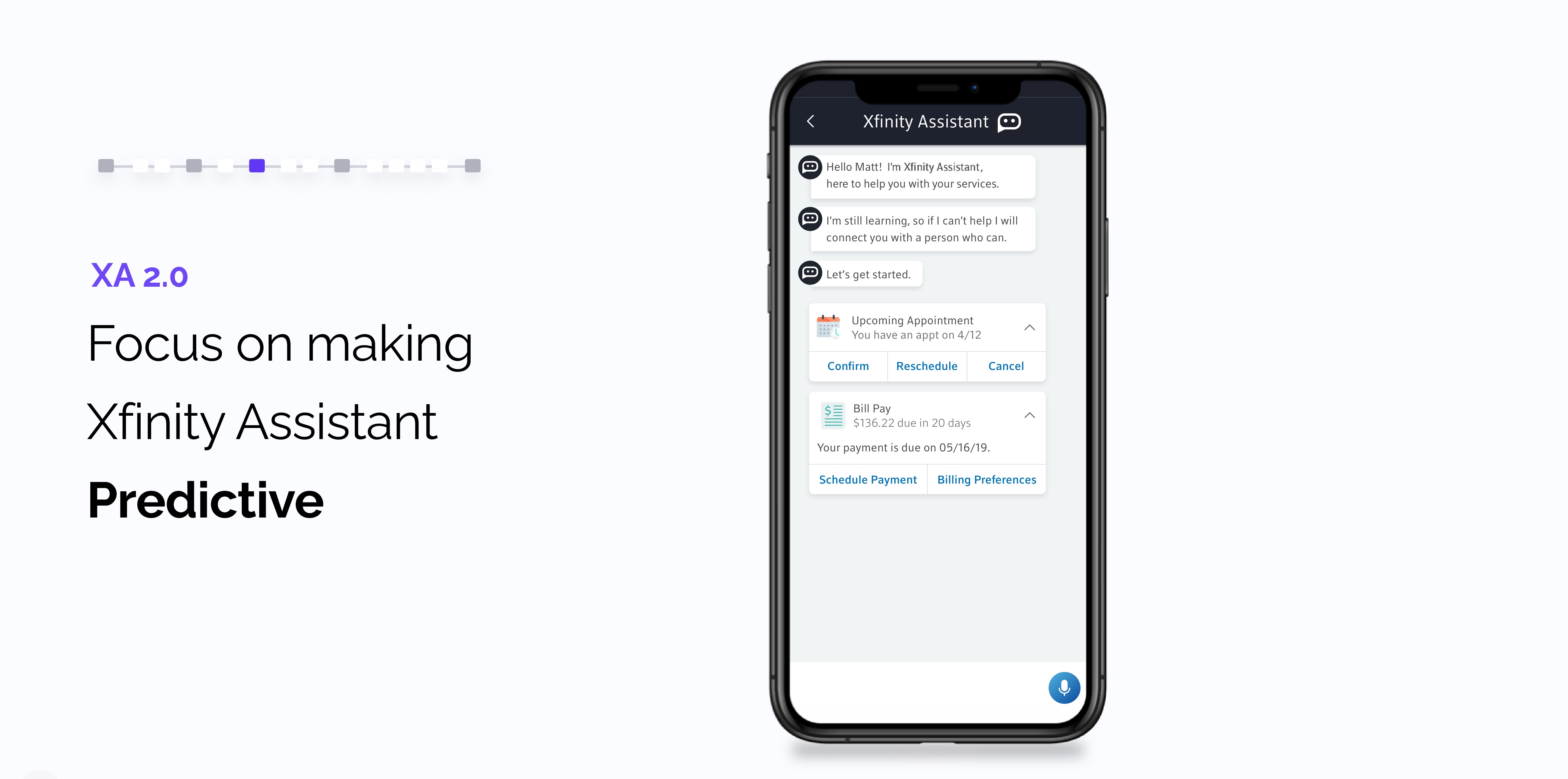
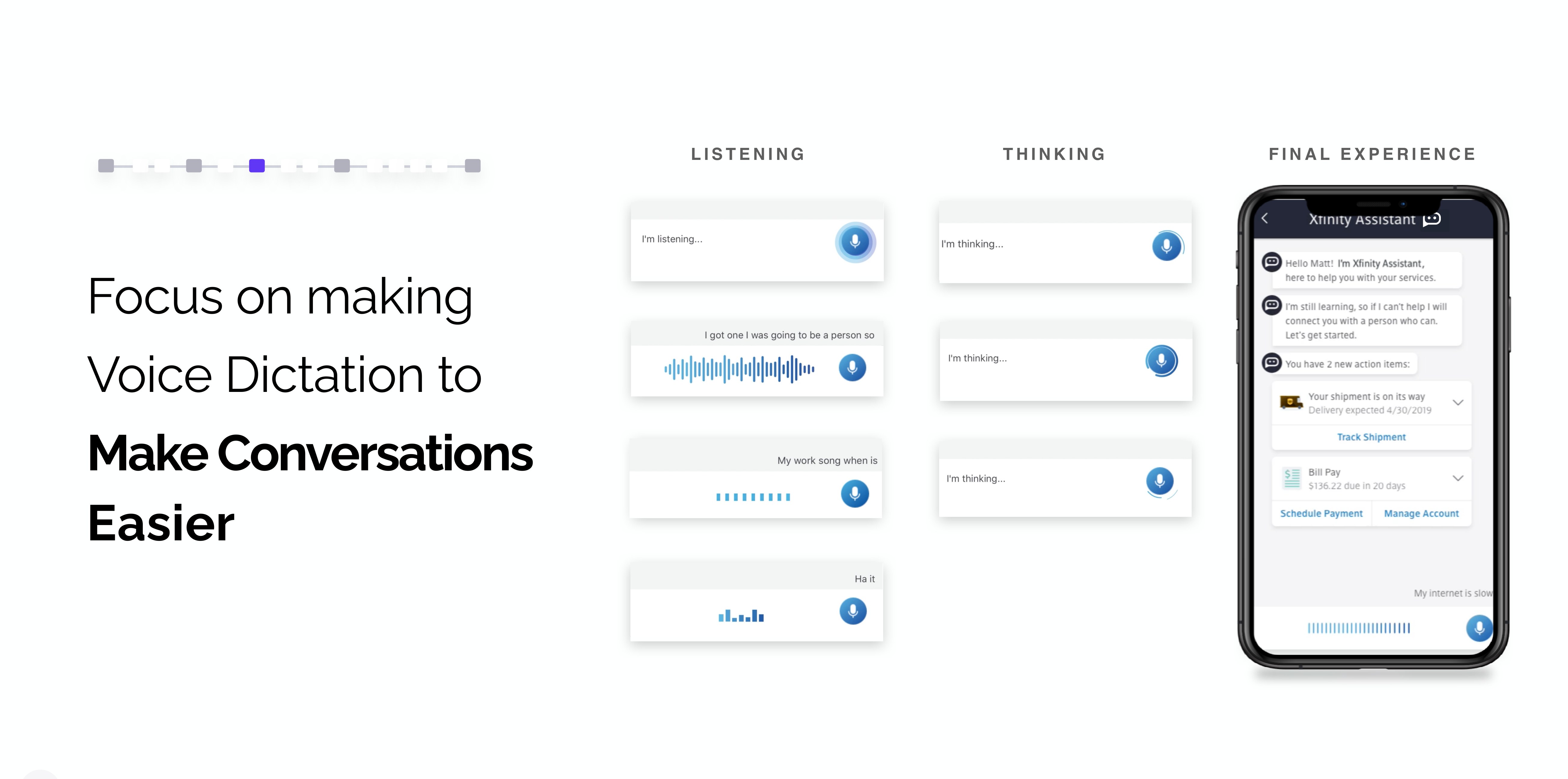
The Assistant began anticipating needs, upcoming appointments, payment reminders, and added voice dictation to make conversations easier.
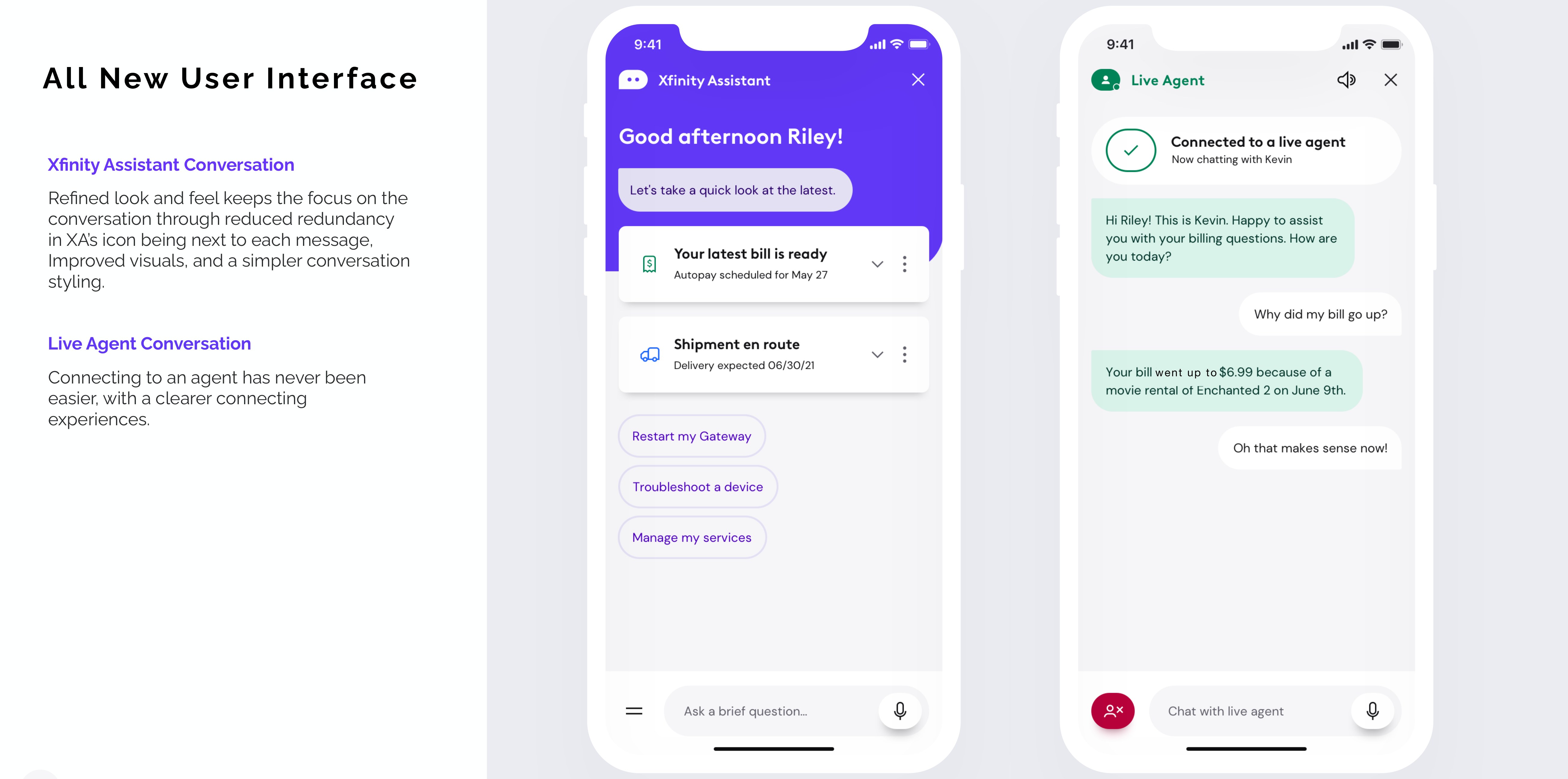
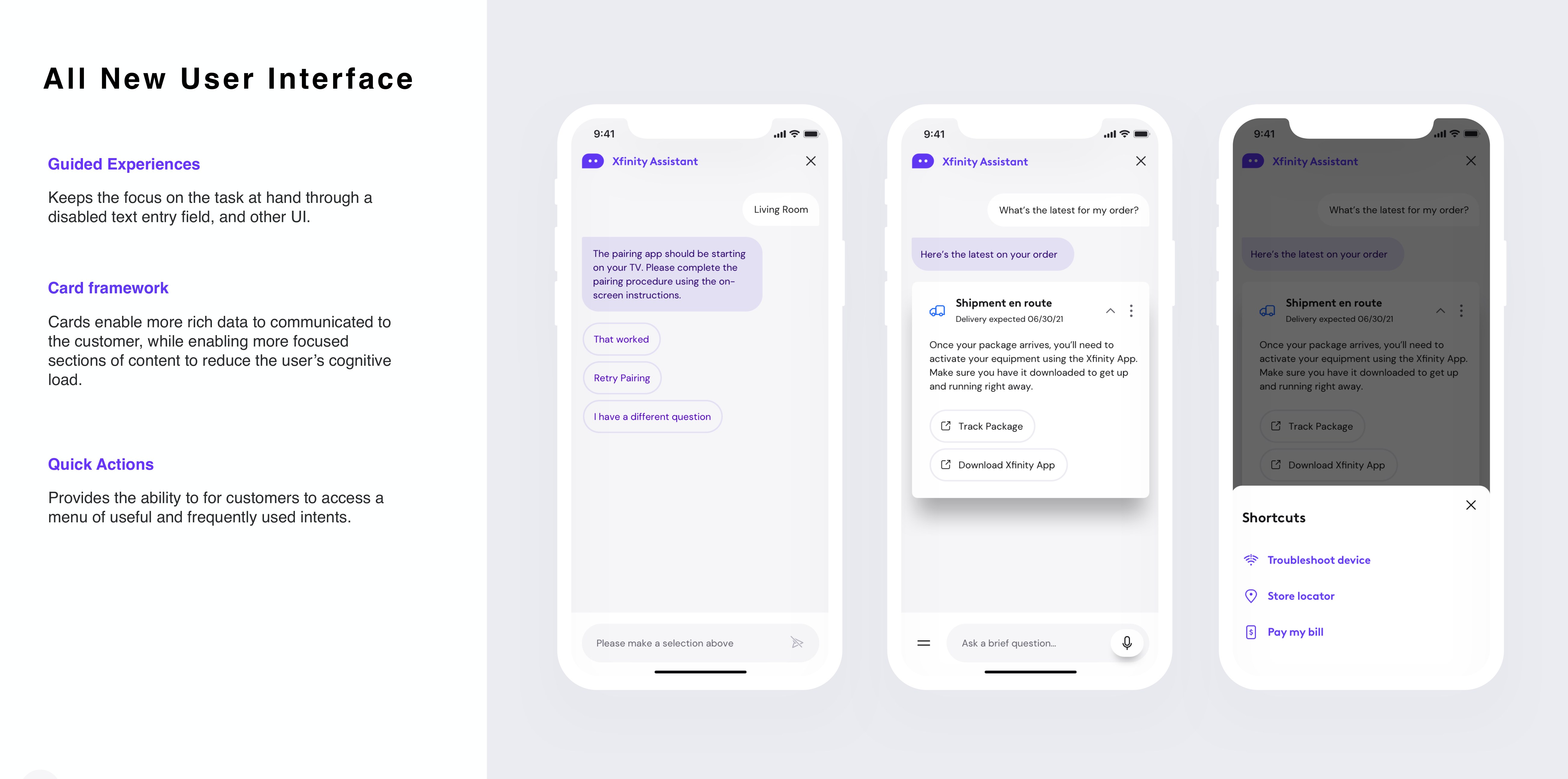
A next-gen design system, guided experiences, and one identity across web, iOS, Android, and the 10-foot TV.
Hover to pause · click any frame to enlarge
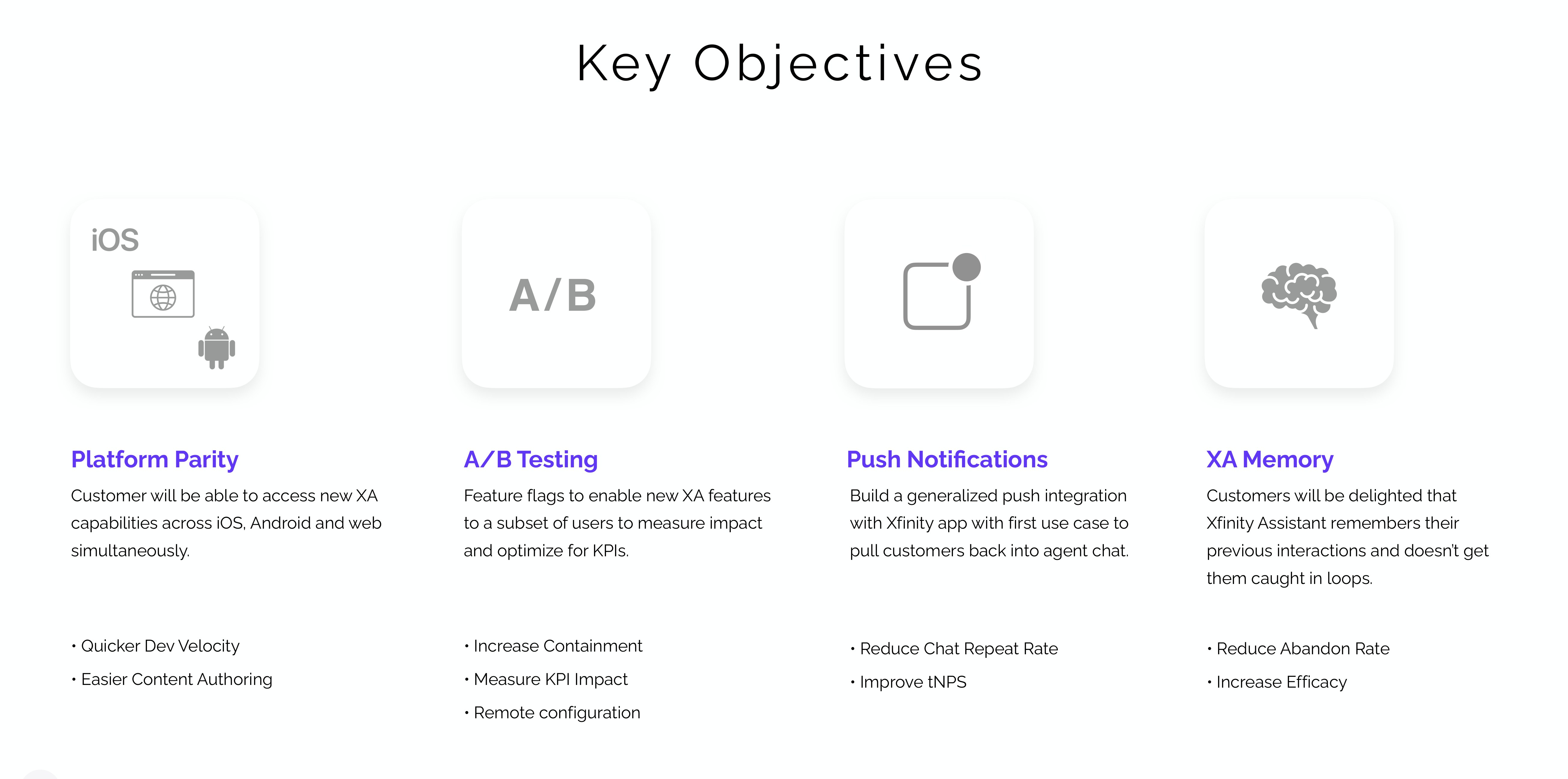
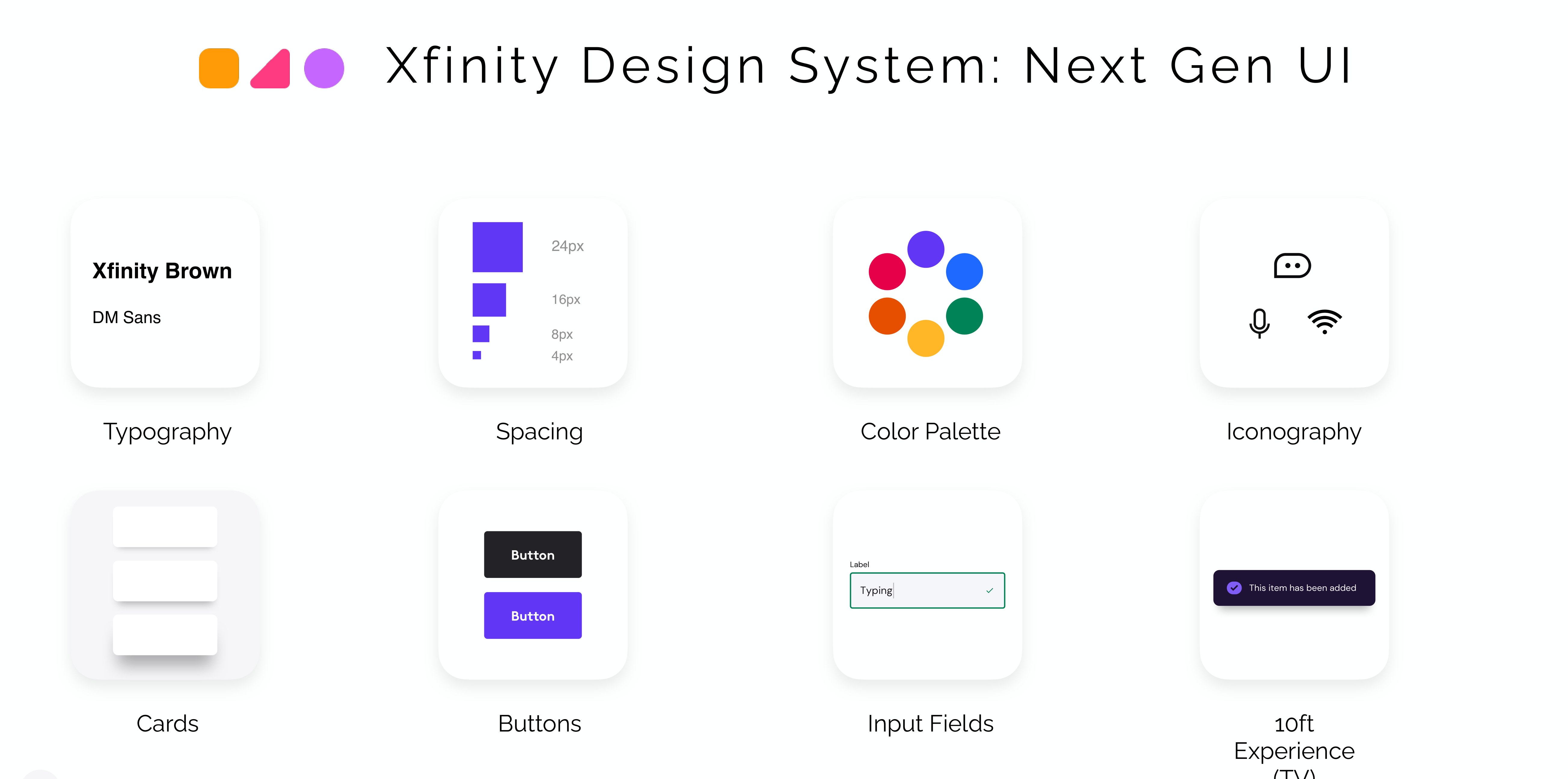
Platform parity across iOS, Android, and web, feature flags for measured rollout, and a refreshed Xfinity design language, typography, color, cards, and inputs, all tuned so the interface receded and the conversation stayed in focus.
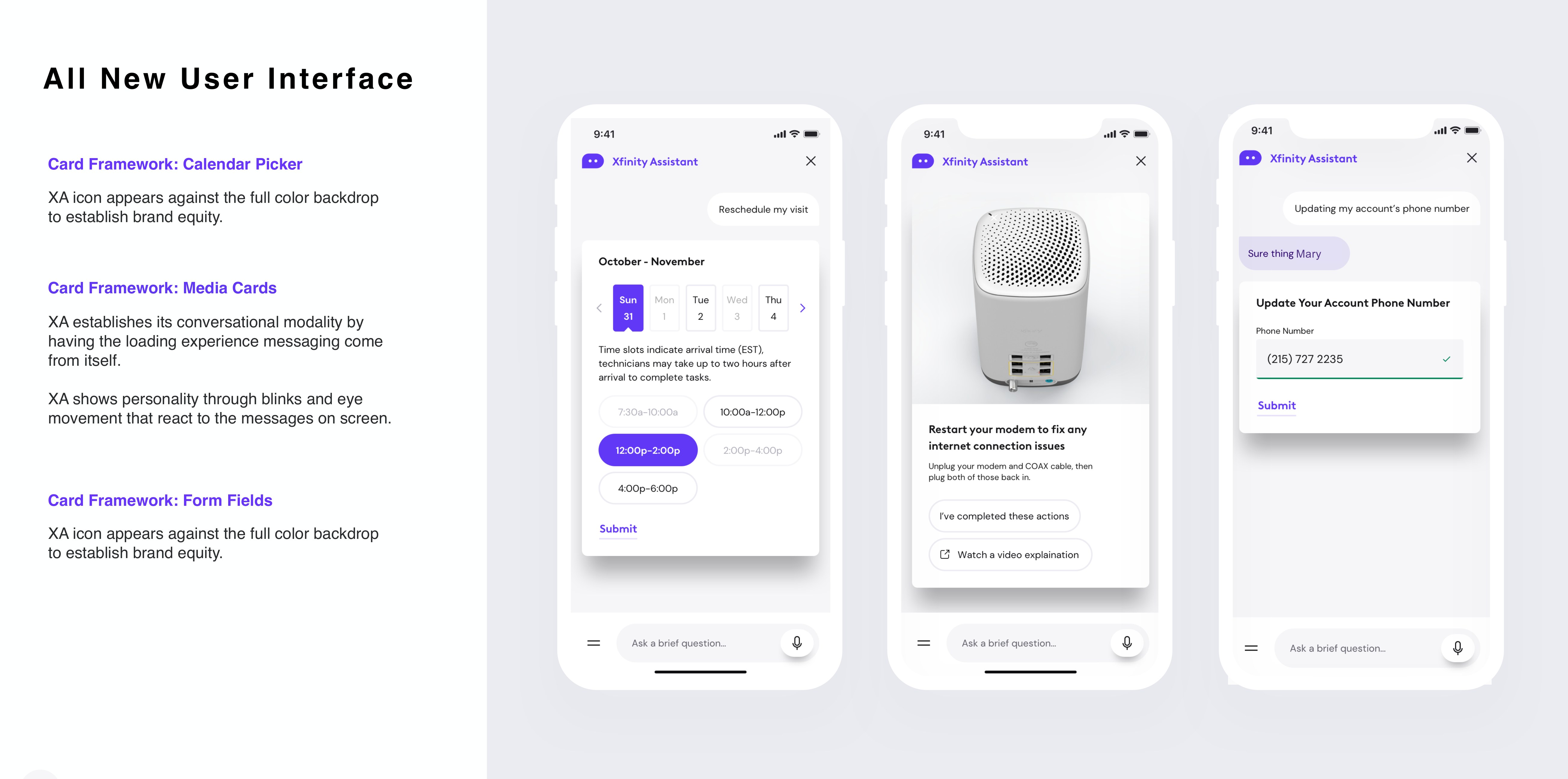
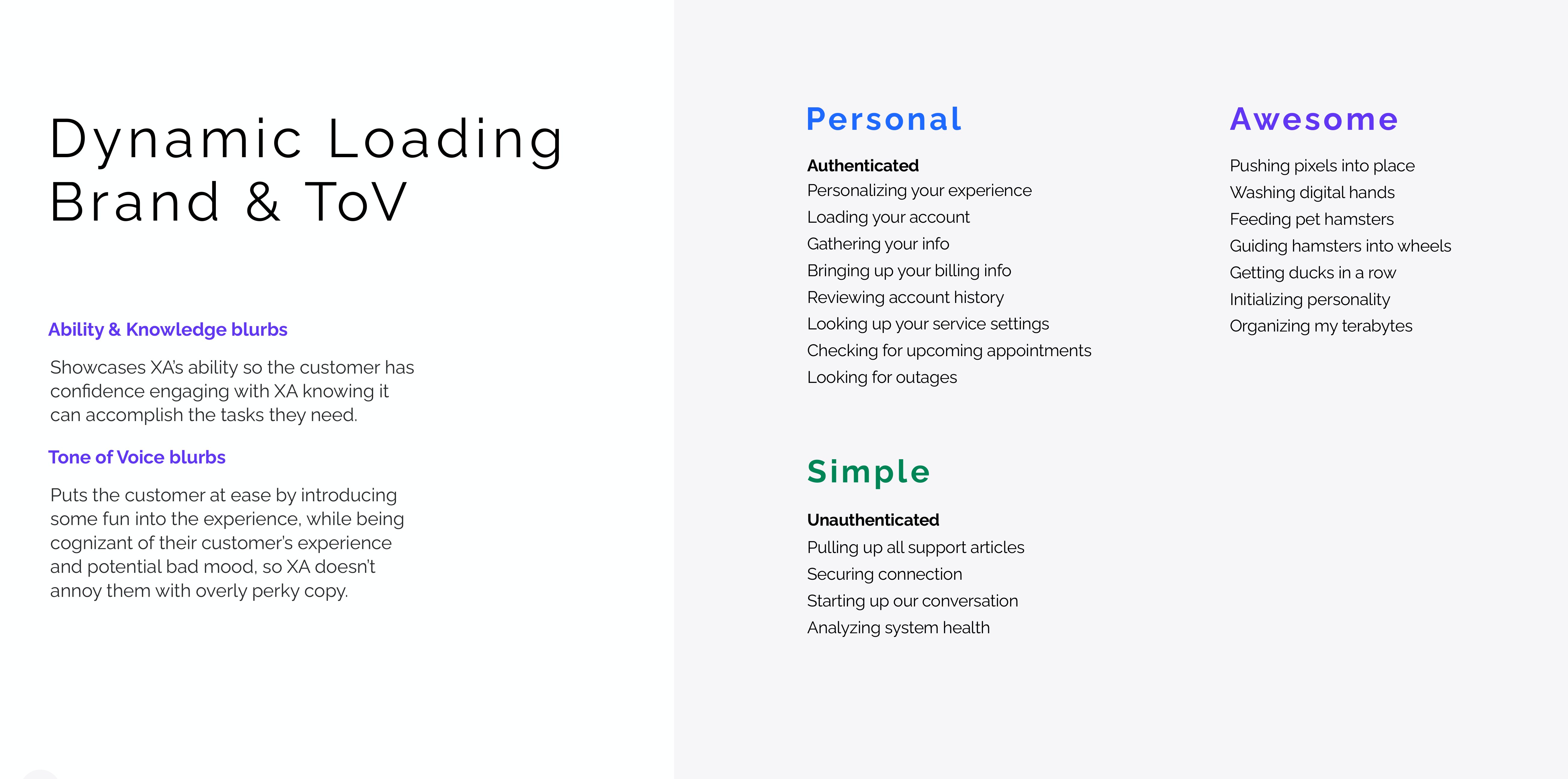
XA could take anywhere from half a second to forty seconds to load, and impatient customers bailed before it opened. Rather than hide the wait, I turned it into a moment of brand: a dynamic loading experience with personality, tone-of-voice emotes, and concierge messaging that quietly earned confidence while the system caught up.
XA’s loading sequence and tone-of-voice emotes. Blinks, eye movement, and rotating messages turn dead time into brand.
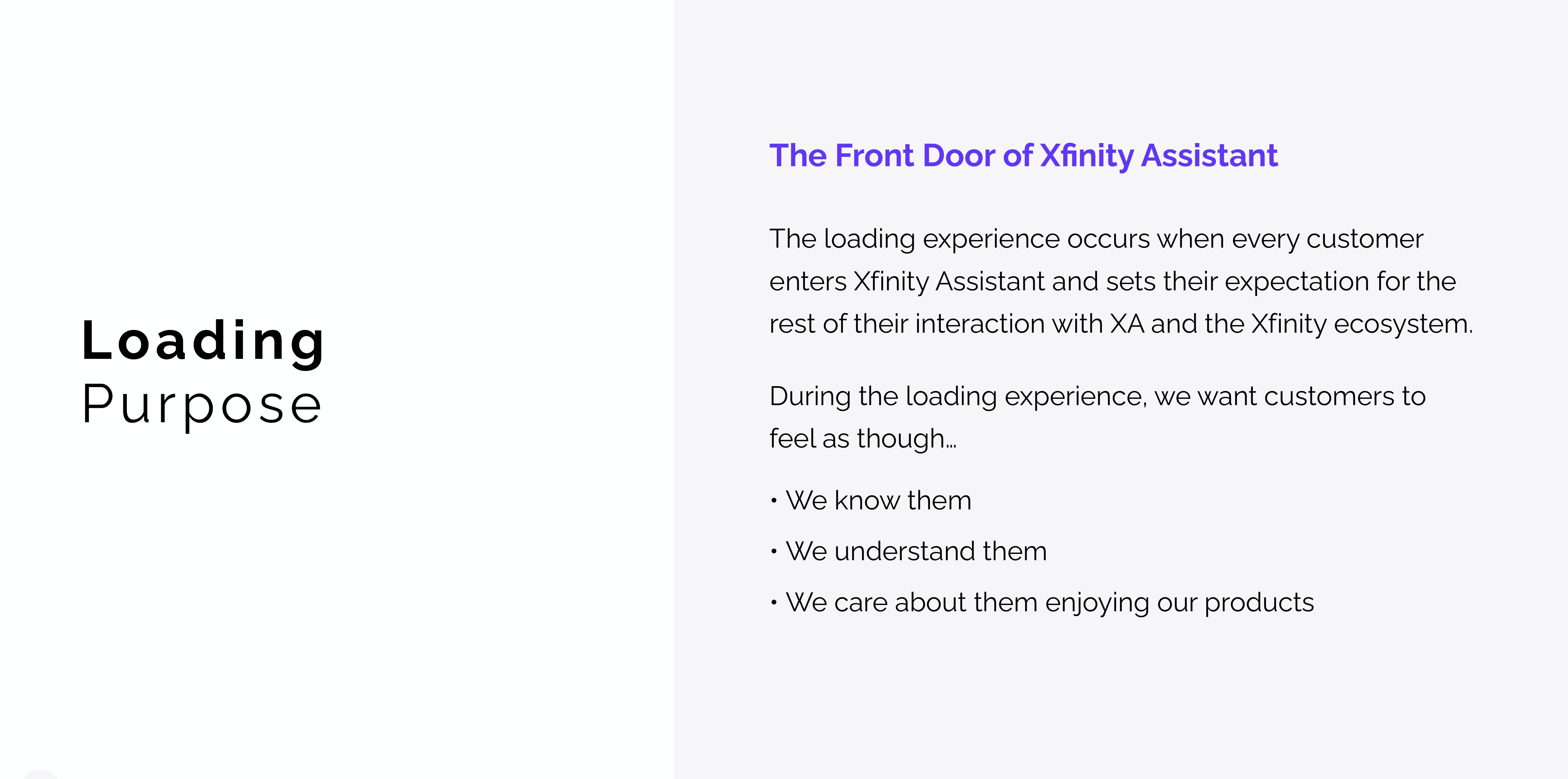
Three problems, three moves. Buy XA the time it needs to load, surface its concierge capability so customers don’t immediately ask for an agent, and encourage engagement so the conversation actually begins.
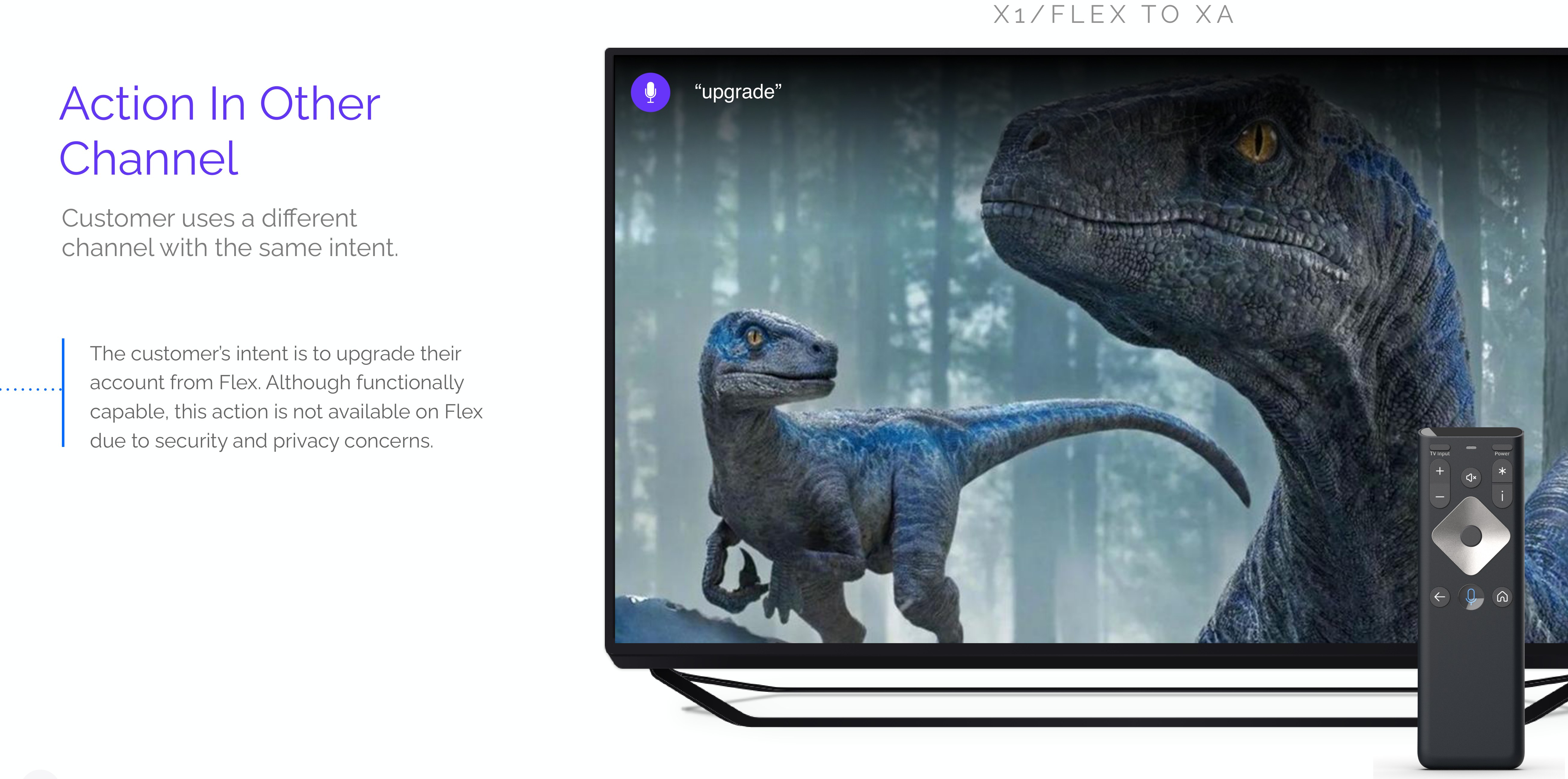
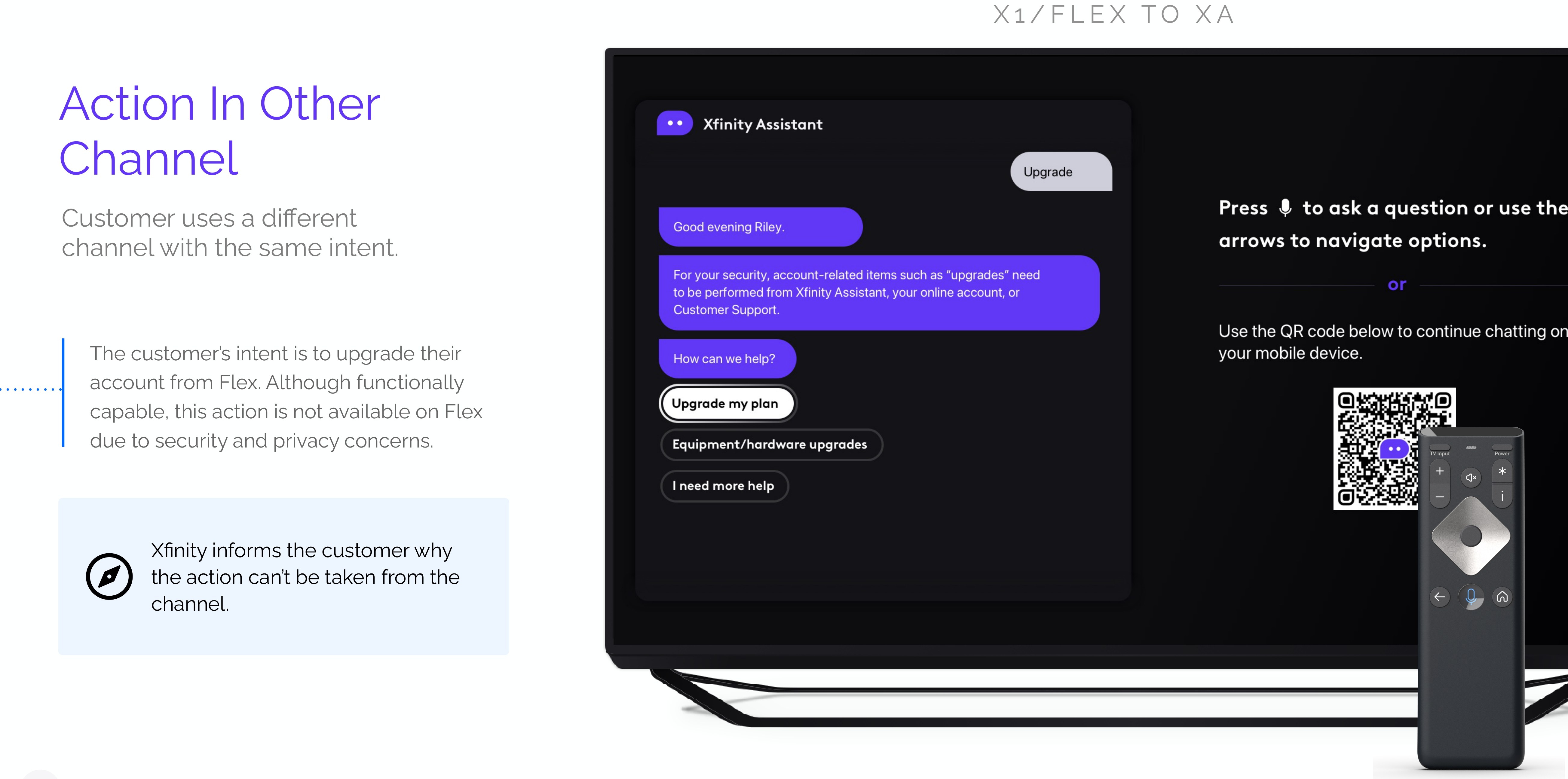
A customer on Flex or X1 could ask to upgrade by voice from the couch. When an action wasn’t available on that surface for security reasons, XA explained why and handed off a clear path to the right channel, one conversation, continued.
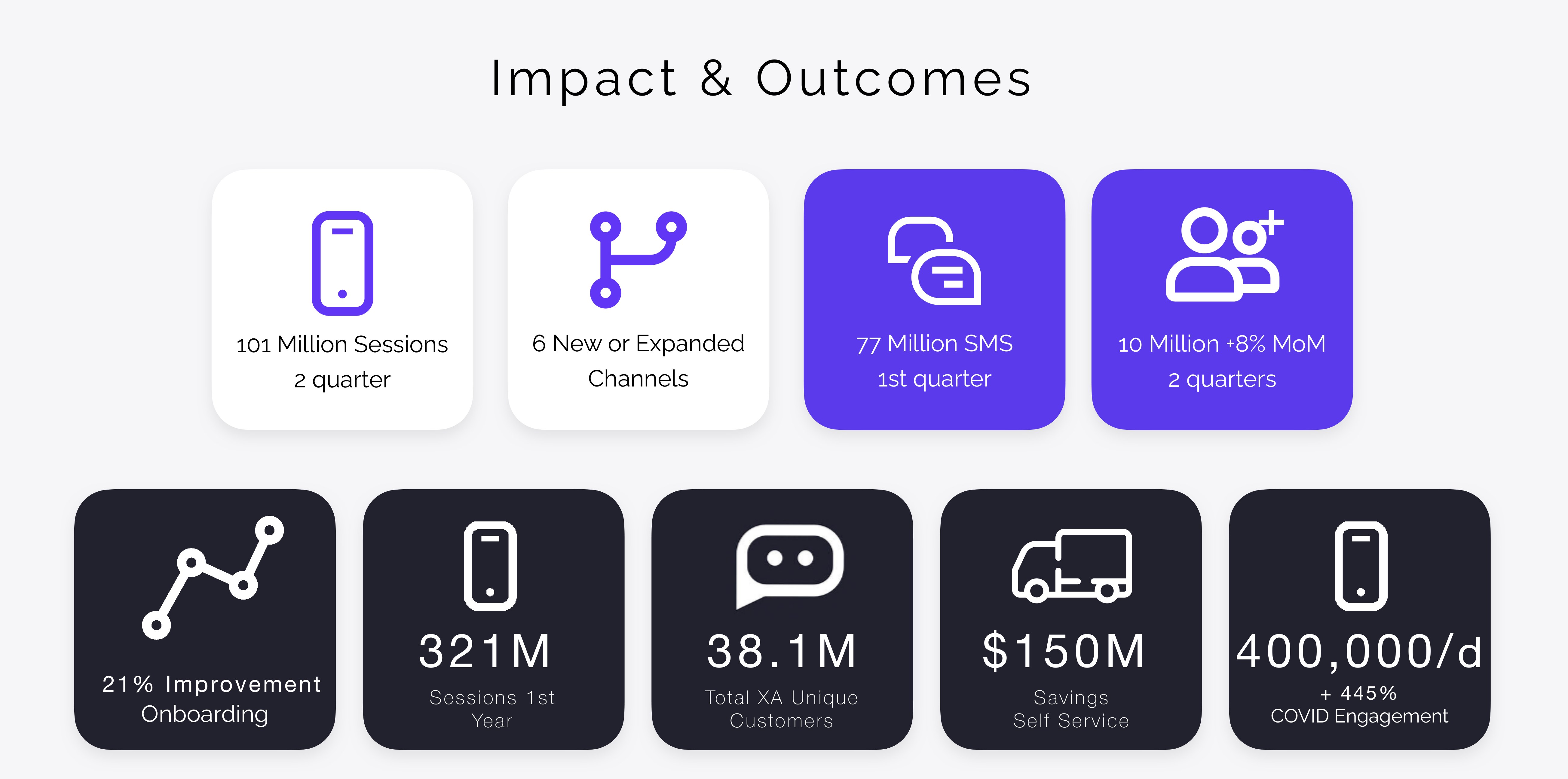
In savings
Self-service sessions, first year
Total XA unique customers
Onboarding improvement
As XA matured, it became a primary support channel for Comcast, absorbing volume that used to hit call centers and expanding onto new surfaces quarter over quarter.
A disliked utility became an experience people trusted, because empathy, brand, and machine intelligence were designed as one.